Tag Archives: cinema

Tallinn 2025 interview: Golshifteh Farahani – The Dragon Within

When Golshifteh Farahani walks into a room, she carries with her more than fame. She carries the weight of an entire cinematic tradition, the still-burning fire of exile, and the quiet strength of a woman who has rebuilt herself in multiple countries, languages, and artistic worlds. PÖFF has welcomed its share of icons, but this year one of the brightest presences belonged to a woman in her forties — luminous, restless, and utterly alive.

Farahani remains one of world cinema’s most compelling figures — a performer shaped by exile, sharpened by experience, and sustained by an unyielding artistic hunger. In Oh, What Happy Days! she delivers a performance born from instinct rather than preparation, chaos rather than control — a rare reminder of what cinema can reveal when the actor steps aside and something deeper speaks through them.

Below is a conversation between Farahani and Milani Perera at the 29th Tallinn Black Nights Film Festival — an intimate drift across memory, identity, exile, and the unpredictable alchemy of performance.

MP: This is your first visit to Tallinn, despite many invitations over the years. How did it feel coming to the festival at last?

GF: It felt like finally arriving in a place I was meant to visit years ago. I’ve been invited many times, but filmmaking always intervened. Being here now, walking through the festival atmosphere, feels like meeting a memory I never lived — something familiar yet completely new.

MP: Your upbringing was deeply artistic — a home of painters, actors, writers, musicians. How did this constellation shape the performer you became?

GF: In my family, art was not a profession. It was a way of existing. Being an artist was the highest expression of being human. Yet acting was the one thing they tried to protect me from. They knew its sacrifices, its uncertainties, and in Iran, its dangers. I was trained as a pianist and nearly moved to Vienna. But cinema found me early — when I was fourteen — and something irreversible happened. From that point on, film became my second language.

MP: Your first major award came at 14 — a historic moment. How did that recognition echo within your family?

GF: My parents were furious while I was shooting that film. My father wasn’t speaking to me; my mother was crying, convinced I would abandon music. But the night of the award changed everything. I remember Tehran covered in snow, my father and me running across a bridge toward the Opera House. For the first time, I saw pride break through his resistance. It was as if that moment revealed a truth to both of us — that cinema had claimed me, whether we had planned it or not.

MP: There’s a long-standing debate among cinephiles: do actors choose their roles, or do roles choose them? Where do you stand?

GF: I think it’s a dialogue between the two. When you look across an actor’s career, you often see a gravitational pull — certain themes that keep returning, as if the universe is handing them back in new forms. For me, after leaving Iran, I found myself drawn toward characters in states of emancipation, transformation, defiance. Later I stepped into warrior figures — women in combat, both literal and metaphorical. Now… I feel life pushing me toward comedy, toward a lighter rebellion. Perhaps that is the current the universe is sending back to me.

MP: You’ve spoken openly about your exile. For many artists, exile becomes both a wound and a studio. What did it become for you?

GF: Exile became a limb I lost — and a limb I learned to live without. When Ridley Scott cast me, sanctions stopped the contract, and suddenly I became a political suspect. My passport was taken. Interrogations, uncertainty, fear — it lasted months. Eventually I left. And exile… Exile is an invisible scar that becomes part of your identity. You become a handicapped soul — but handicapped souls can still become champions. Eighteen years later, I feel strangely at home everywhere. Perhaps that is the final shape of exile — to belong to the world as opposed to one place.

MP: Your new film Oh, What Happy Days! brought together actors from inside Iran and actors in exile — something nearly impossible. What drew you to this project?

GF: It felt like a call I couldn’t refuse. To stand on the same screen with compatriots inside Iran — after so many years away — was a gift. I didn’t even finish the script before filming. I was discovering the story as the camera rolled. At one point, something wild erupted — a dragon; a range of emotions I didn’t anticipate: laughter, rage, chaos, release. I struck the table so hard I injured my hands. But it felt honest, instinctive, necessary — like a truth coming out of hiding.

MP: Was this experience shaped by your collaboration with director Homayoun Ghanizadeh?

GF: Absolutely. Homayoun builds spaces that disarm the actor — spaces where ego, preparation, and control fall away. He wanted presence, not performance. Because of that, I could react without thinking, feel without shaping, fall without fear. He created the platform, and the dragon walked out.

MP: As programmers, we were struck by the film’s formal disorientation — its chaotic conversations, tonal fractures, sudden shifts. Yet that dissonance becomes the point. Do you see this as a step toward comedy for you?

GF: Comedy has always existed on the edge of tragedy. Perhaps after years of playing women in battle, it is time to laugh — not in dismissal, but in defiance. Sometimes laughter is the last honest weapon. If this film is a doorway into comedic work, I’m ready.

MP: Golshifteh, thank you for this conversation — and for the rawness and clarity you bring to cinema. Tallinn already feels different with you in it.

GF: Thank you. I feel the butterflies — and now I must run to the press conference!

As she rushed toward the waiting press conference, the energy she left in the room lingered: the sense that some artists do not merely act in films — they live entire histories within them.

(c) Photo copyright: Liis Reimann 

Originally appeared in The International Cinephile Society
Film Review: Little Jaffna (2024) by Lawrence Valin

Little Jaffna is a gripping crime drama that offers a colourful and insightful perspective on the French Tamil diaspora.

“Little Jaffna“, Lawrence Valin‘s stunning directorial debut, is a gripping crime drama that offers a colourful and insightful perspective on the French Tamil diaspora. Premiering at the prestigious Venice Critics’ Week, this film quickly grabbed international cinephines’ attention for its daring voice and naïve cinematic expression. It was also screened at the Toronto Film Festival and is set to be screened at Tallinn Black Night’s Film Festival under the Best of The Fest banner.

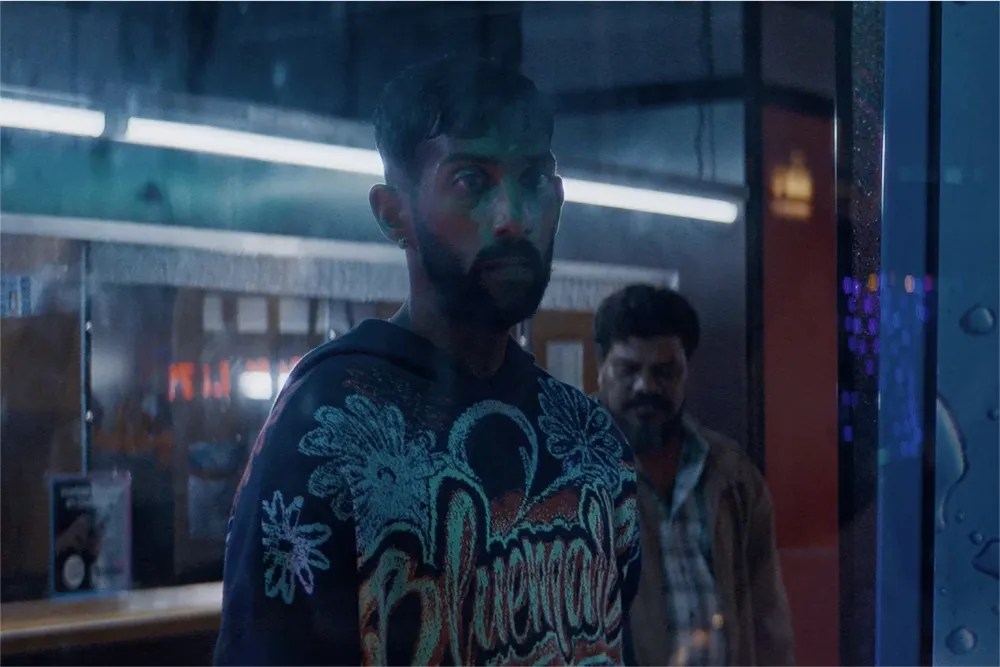
At the film’s heart is Michael (portrayed by Valin himself), a young police officer thrust into a morally ambiguous mission. Tasked with infiltrating a local gang, he faces the daunting challenge of reconciling his duty as an officer with his deep-rooted cultural heritage and personal connections. This internal struggle forms the film’s crux, as Valin masterfully intertwines personal dilemmas with broader sociopolitical themes, highlighting the clash between personal, cultural and historical identities.

The film’s setting in La Chapelle, or Little Jaffna, named after the capital of the Northern province of Sri Lanka, brings a plethora of cultural nuances to the narrative. This vibrant neighbourhood serves as a microcosm of the Tamil experience in France, where cultural memories are alive, and the weight of political history is palpable. Valin’s representation of this community is enriched by his heritage, allowing for a depth of emotion often lacking in narratives about the diaspora produced in France. “Little Jaffna” is intimate and sociopolitical. By keeping the exact calendar year and month rather ambiguous, Valin plays on the influence of political struggle in Sri Lanka and the perpetual French and Tamil cultural differences as a carving on a stone in shaping the lives of Little Jaffna inhabitants.

Valin is not a newcomer to directing or acting; his two short films, “Little Jaffna (2017)” and “The Loyal Man(2020)” are his first ventures into cinema and seeds that grew into a flourishing tree as “Little Jaffna” in 2024. Valin received the ADAMI award for “The Loyal Man” for his stunning performance. He brings the same brilliance to this film, further facilitated by the young and vibrant dynamism of the young gangsters. The new frontrunners like Vela Ramamoorthy and Puviraj Ravindran, whose naive brilliance and seasoned performances by famous stars like Radhika Sarathkumar create a memorable cinematic experience.

“Little Jaffna” is visually captivating and blends the flavour of South Indian mainstream cinema with the city-scape film language of modern French cinema. The cinematographer Maxence Lemonnier, in perfect harmony with Valin, brings a unique visual style to the film. This hybridized visual language evokes the emotional weight of Kollywood films, incorporates surrealism and poignant imagery, and will captivate the audience’s nostalgia and even challenge it. It’s a celebration of both cultures, creating a rich tapestry that enhances the storytelling and leaves the audience visually stimulated.

Raw yet subtle, robust and engaging, “Little Jaffna” has already left a unique stamp on international cinema.

First appeared in the Asian Movie Pulse.

Film Review: Empire of the Rabbits (2024) by Seyfettin Tokmak

A Heartbreaking Tale of Childhood and Exploitation

“Empire of the Rabbits” is a haunting exploration of childhood innocence lost to poverty and exploitation. Premiering at the 28th Tallinn Black Nights Film Festival, the film is a powerful, slow-burning drama that explores the harsh realities faced by children trapped in a world they cannot escape.


Set in a nameless, desolate countryside, the film follows young Musa (Alpay Kaya) and his father, Beko (Sermet Yesil). After his wife’s accidental death, Beko struggles to survive. With few options left, he decides to exploit his son to gain a government disability pension. To do so, his son must pretend to be disabled. His teacher in this tragic game is Nergis (Perla Palamutcuogulları), a girl of his age also forced to mimic disability. Together, they form a bond in their shared suffering, creating a fantasy world to escape their grim reality. 

Musa’s dream is to build a rabbit empire, a refuge for rabbits he saves from traps and hound races. This empire is more than a child’s fantasy—it becomes their only escape from the adult world that seeks to control and use them. The film is a poignant tale of resistance, showing how two children use imagination to fight against a system that exploits them.

The narrative of “Empire of the Rabbits” is slow-paced, with few dialogues and mostly “dumb” silence of protagonist that is sharply contrasted with adults’ manipulative and exploitive harsh words. In a film where the narrative development blends well with semiotics, compositions and cinematography, the sparse use of dialogue is refreshing and respectful towards the audience. Spectators can take their own time to think and absorb the feature that unfolds before their eyes.

From the very opening scene, the director brings a sense of uneasiness that expands into gloom throughout the film. The plot is poignantly painted with skilful use of semiotics. The innocence and helplessness of rabbits are compared to all the children in the movie who are forced to adopt a life of handicappedness. Not only the rabbits but the hounds are also victims; their defiance and vagrancy are punished with death. It brings ominous foreshadowing of an unexpected ending.

The cinematography by Claudia Becerril Bulos perfectly complements the film’s tone. Long, wide shots of barren landscapes fill the screen, emphasizing the desolation surrounding the characters. The empty, skeletal trees are a visual metaphor for the children—both have potential for life but are stifled by their environment. The use of a greenish-yellow filter amplifies the film’s somber mood, heightening the sense of decay and hopelessness.

Alpay Kaya’s performance as Musa is a standout. His portrayal of the quiet, burdened boy is powerful. Kaya conveys a deep sense of emotional weight through his expressions, showing the internal conflict of a child caught between fantasy and the harshness of reality. His eyes, filled with pain, communicate far more than words ever could. Kaya’s mature performance adds a level of authenticity to the film, making Musa’s struggle feel all the more real.

Tokmak’s direction is sensitive and empathetic, particularly toward the child actors. His handling of their emotions is delicate, capturing both their vulnerability and resilience. The director is known for addressing social issues affecting children, and this film is no exception. It serves as a potent commentary on child exploitation, the cycle of poverty, and the way society often abandons its most vulnerable members.

“Empire of the Rabbits” is a must-see for anyone interested slow and meditative cinema that is socially conscious. Tokmak’s direction and Kaya’s performance elevate this film into something truly special—a poignant, sobering reflection on the exploitation of children and the loss of innocence.

First appeared in the Asian Movie Pulse.

Film Review: Pyre (2024) by Vinod Kapri

A poignant ballad of love and hope, the movie delves deep into its characters’ emotional landscapes, inviting the audience to connect and empathize.

Vinod Kapri, renowned for his powerful portrayal of society’s overlooked individuals, returns with a profound meditation on love, loss, and isolation in “Pyre“. Kapri’s latest work shines with a poignant intensity that echoes his impactful films “1232 KMs” (2015) and “Pihu” (2016). Premiering at the 28th Black Night’s Film Festival, “Pyre” is a moving exploration of an elderly couple’s fragile existence in a remote Himalayan village, delving deep into the depths of their love and the weight of their loss.

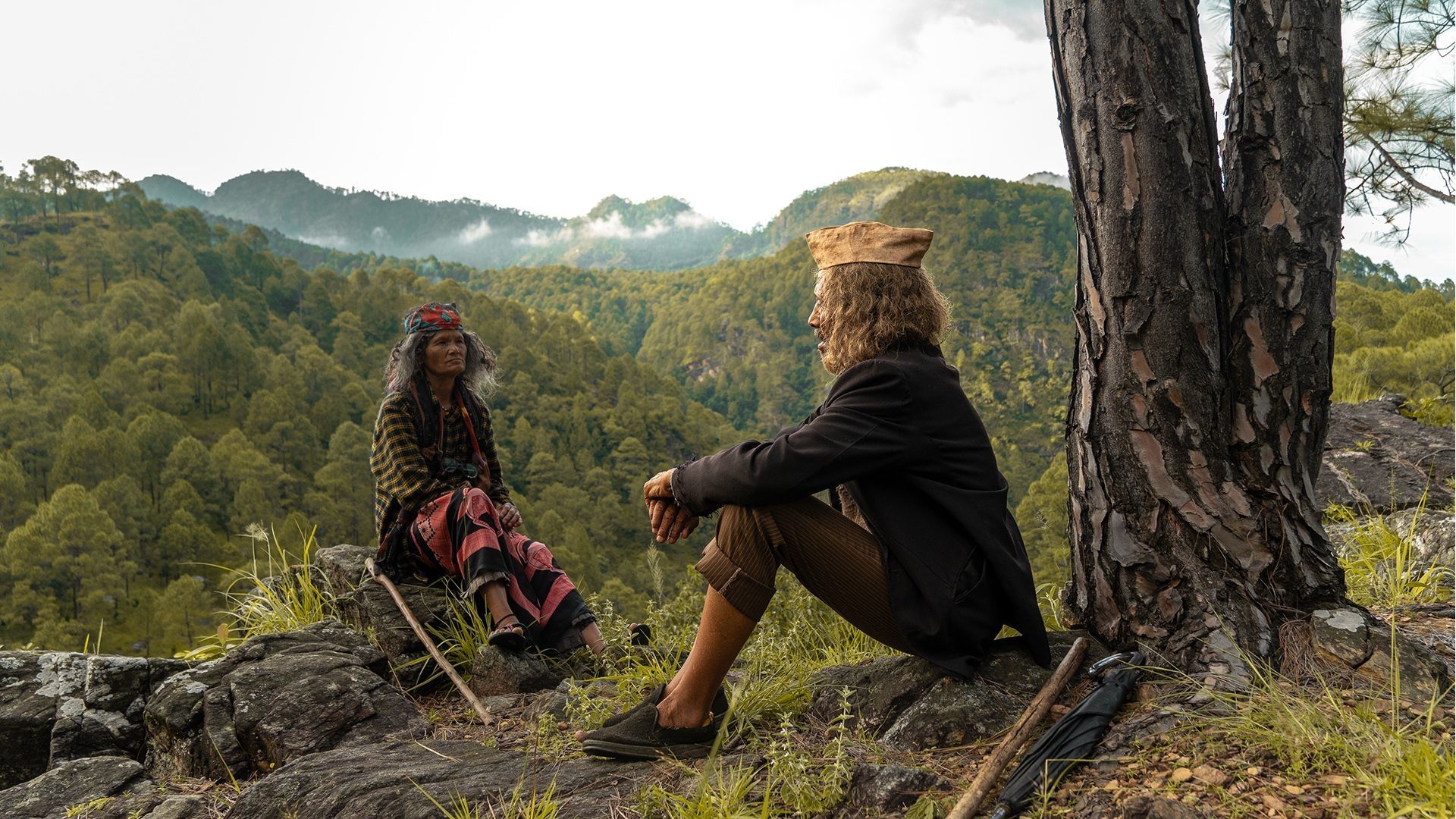
Padam Singh (Padam Singh) and Tulsi (Heera Devi), an 80-year-old couple, remain in a world that the younger generation has abandoned. Their days pass in quiet routines, their loneliness masked by fleeting moments of humour. Haunted by the absence of their son, their hope is reignited by a letter promising his return. When he finally arrives, the reunion shatters their expectations, leading them into a painful new reality. The film’s devastating climax evokes a deep, emotional response, leaving the audience with a profound empathy.

Kapri’s mastery lies in his ability to cast non-professional actors, capturing raw emotion in every frame. Despite their inexperience with the camera, the performers bring a heartwarming authenticity to their roles. The film’s pacing and direction guide them through delicate emotional landscapes, creating an international resonance that transcends cultural barriers. The finely crafted script draws the viewer in, keeping them emotionally tethered to the couple’s journey. As the final scene unfolds, the audience is left teary-eyed, the sadness lingering long after the credits roll.

The film’s beauty is amplified by the artistry of Manash Bhattacharya, the director of photography. His sweeping shots of the Himalayan landscape mirror the couple’s isolation, the vast, winding trails offering space for the audience to reflect. The close-ups of the characters—though unpolished in their acting—capture the rawness of their lives and struggles. At times, the expansive mountains seem to dwarf them. At the same time, in other moments, the crumbling, dilapidated spaces echo their emotional decay. Bhattacharya’s careful use of light adds a realistic touch, grounding the story in the simplicity of the couple’s world.

The music, composed by Mychael Danna’s “Life of Pi”, “Moneyball”, and Amritha Vaz (twice nominated for the Annie Award), gently elevates the emotional weight of the film. At times, the music swells to underscore the story’s sadness. Still, the sweeping grandeur of nature around the characters ultimately steals the show. Like the couple’s love, the landscape speaks volumes in its quiet majesty. The soft undercurrent music amplifies the emotional journey, enveloping the audience in a cocoon of tenderness and heartbreak.

It is a haunting, beautiful story that resonates deeply, leaving a lasting impact that lingers long after the screen fades to black. It is a film that speaks to the heart, capturing the fragility of life and the resilience of love in a world that is slowly fading away.

First appeared in the Asian Movie Pulse.

TANTIGO

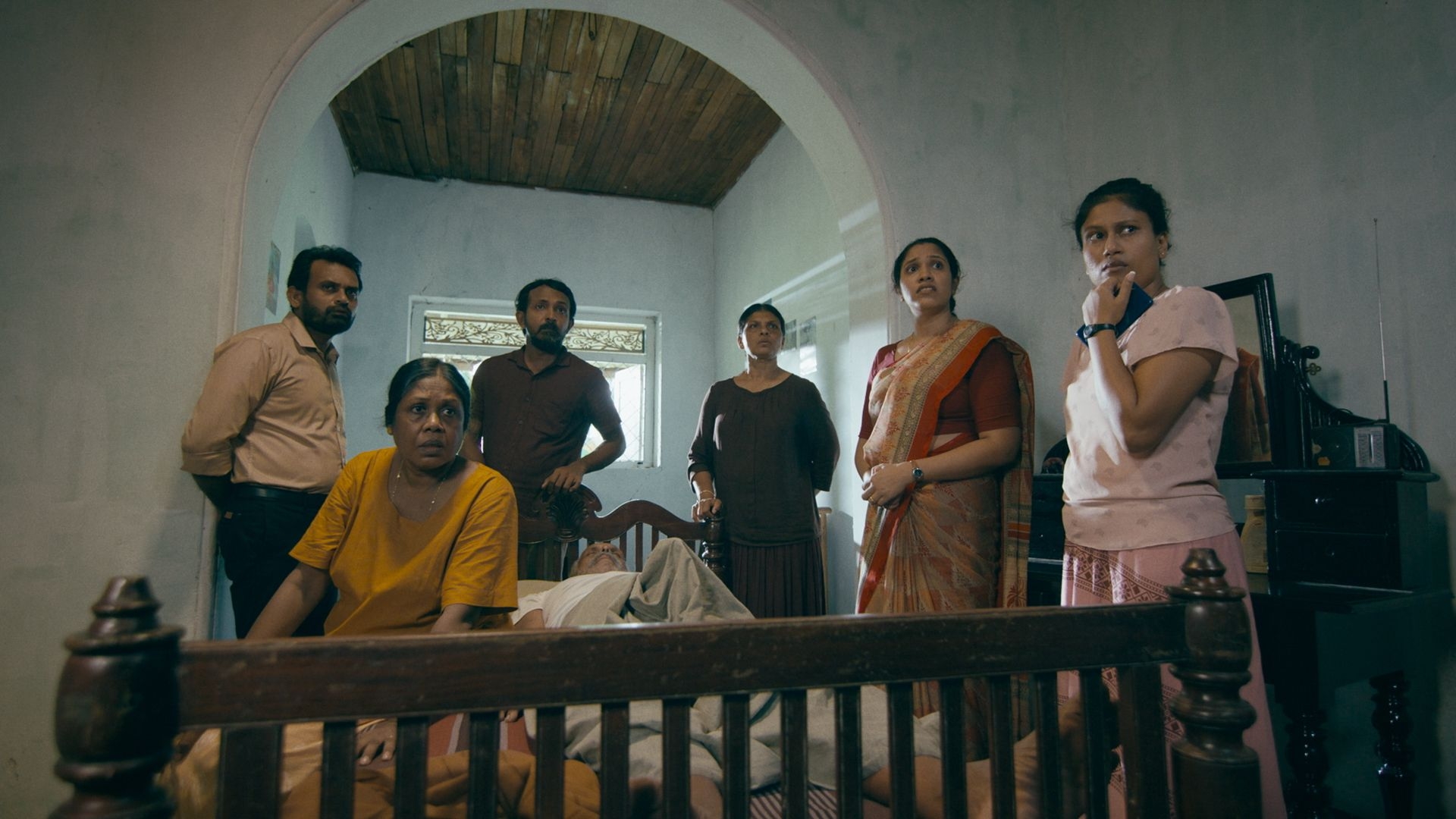
Ilango Ram’s Tantigo, a unique and daring fusion of humour and absurdity, premiered at the 27th PÖFF | Tallinn Black Nights Film Festival 2023. This remarkable debut immerses viewers in a peculiar household in provincial Sri Lanka, where a patriarch’s sudden demise leads to a hilariously dark conundrum: his body refuses to conform to the decorum expected at his funeral.

As laughter fills the air, we meet two sons grappling with their father’s unexpected ‘situation.’ Amidst their mourning, rumours and jealousy swirl, fueled by a nosy neighbour, Kamala, and a bewildered local doctor. The quest to manage their father’s lingering ‘romanticism’ becomes a farcical race against time, complete with a drunken voodoo priest and a crafty coffin maker. This exploration of familial bonds, a theme that resonates with all of us, will surely strike a chord with the audience.

What makes Tantigo a triumph is its hilarious premise and masterful narrative execution. Drawing inspiration from the absurdist style of Eugène Ionesco, the film juxtaposes mundane dialogues with outlandish situations, revealing the quiet tragedies and absurdities of life that often go unnoticed. As the audience chuckles, there’s an underlying recognition of our shared, chaotic existence.

Visually, Ram employs bold wide-angle lenses and low angles that transform the characters into almost cartoonish figures, amplifying the narrative’s absurdity. This stylistic choice, reminiscent of Yorgos Lanthimos’s The Favourite, yet with a more spacious approach, echoes the emptiness of his characters’ lives and their profound disconnect—even in familial bonds. It’s a visual treat that will surely captivate the audience.

The cast delivers standout performances that anchor the film’s humour. Kaushalya Fernando graces the mother’s bewilderment, while Priyanka Sirikumara’s big brother struggles against reality’s grip. Thusitha Laknath shines as the family’s black sheep, and Chandani Senevirathne’s Kamala offers relentless comic relief. And then there’s Ranjith Panagoda, whose stillness—marked by an awkward physicality—leaves audiences in stitches.

Tanigto represents a refreshing pivot for Sri Lankan cinema, particularly in today’s post-MeToo and post-pandemic landscape. Ilango Ram paves the way for a new wave of cinematic expression by challenging traditional storytelling methods. Just as Vimukthi Jayasundara revolutionized narrative styles with The Forsaken Land in 2005, Ram’s bold experimentation signals a vital evolution in Sri Lankan filmmaking. Tantigo is not just a film; it’s a manifesto for change, inviting future filmmakers to explore the vibrant possibilities of this new era.

#kinopear#IlangoRam#tantigo#poff#worldcinema