Tag Archives: independent cinema

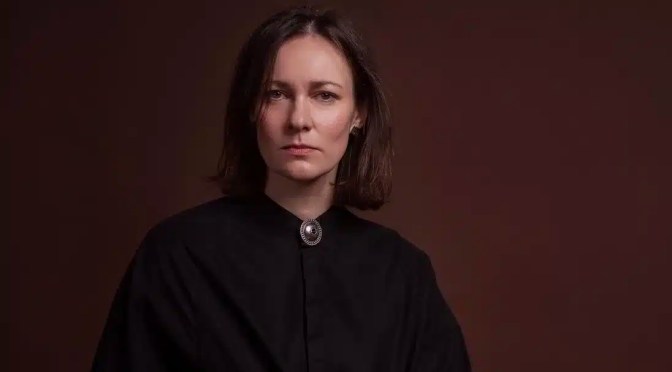
Tallinn 2025 interview: Golshifteh Farahani – The Dragon Within

When Golshifteh Farahani walks into a room, she carries with her more than fame. She carries the weight of an entire cinematic tradition, the still-burning fire of exile, and the quiet strength of a woman who has rebuilt herself in multiple countries, languages, and artistic worlds. PÖFF has welcomed its share of icons, but this year one of the brightest presences belonged to a woman in her forties — luminous, restless, and utterly alive.

Farahani remains one of world cinema’s most compelling figures — a performer shaped by exile, sharpened by experience, and sustained by an unyielding artistic hunger. In Oh, What Happy Days! she delivers a performance born from instinct rather than preparation, chaos rather than control — a rare reminder of what cinema can reveal when the actor steps aside and something deeper speaks through them.

Below is a conversation between Farahani and Milani Perera at the 29th Tallinn Black Nights Film Festival — an intimate drift across memory, identity, exile, and the unpredictable alchemy of performance.

MP: This is your first visit to Tallinn, despite many invitations over the years. How did it feel coming to the festival at last?

GF: It felt like finally arriving in a place I was meant to visit years ago. I’ve been invited many times, but filmmaking always intervened. Being here now, walking through the festival atmosphere, feels like meeting a memory I never lived — something familiar yet completely new.

MP: Your upbringing was deeply artistic — a home of painters, actors, writers, musicians. How did this constellation shape the performer you became?

GF: In my family, art was not a profession. It was a way of existing. Being an artist was the highest expression of being human. Yet acting was the one thing they tried to protect me from. They knew its sacrifices, its uncertainties, and in Iran, its dangers. I was trained as a pianist and nearly moved to Vienna. But cinema found me early — when I was fourteen — and something irreversible happened. From that point on, film became my second language.

MP: Your first major award came at 14 — a historic moment. How did that recognition echo within your family?

GF: My parents were furious while I was shooting that film. My father wasn’t speaking to me; my mother was crying, convinced I would abandon music. But the night of the award changed everything. I remember Tehran covered in snow, my father and me running across a bridge toward the Opera House. For the first time, I saw pride break through his resistance. It was as if that moment revealed a truth to both of us — that cinema had claimed me, whether we had planned it or not.

MP: There’s a long-standing debate among cinephiles: do actors choose their roles, or do roles choose them? Where do you stand?

GF: I think it’s a dialogue between the two. When you look across an actor’s career, you often see a gravitational pull — certain themes that keep returning, as if the universe is handing them back in new forms. For me, after leaving Iran, I found myself drawn toward characters in states of emancipation, transformation, defiance. Later I stepped into warrior figures — women in combat, both literal and metaphorical. Now… I feel life pushing me toward comedy, toward a lighter rebellion. Perhaps that is the current the universe is sending back to me.

MP: You’ve spoken openly about your exile. For many artists, exile becomes both a wound and a studio. What did it become for you?

GF: Exile became a limb I lost — and a limb I learned to live without. When Ridley Scott cast me, sanctions stopped the contract, and suddenly I became a political suspect. My passport was taken. Interrogations, uncertainty, fear — it lasted months. Eventually I left. And exile… Exile is an invisible scar that becomes part of your identity. You become a handicapped soul — but handicapped souls can still become champions. Eighteen years later, I feel strangely at home everywhere. Perhaps that is the final shape of exile — to belong to the world as opposed to one place.

MP: Your new film Oh, What Happy Days! brought together actors from inside Iran and actors in exile — something nearly impossible. What drew you to this project?

GF: It felt like a call I couldn’t refuse. To stand on the same screen with compatriots inside Iran — after so many years away — was a gift. I didn’t even finish the script before filming. I was discovering the story as the camera rolled. At one point, something wild erupted — a dragon; a range of emotions I didn’t anticipate: laughter, rage, chaos, release. I struck the table so hard I injured my hands. But it felt honest, instinctive, necessary — like a truth coming out of hiding.

MP: Was this experience shaped by your collaboration with director Homayoun Ghanizadeh?

GF: Absolutely. Homayoun builds spaces that disarm the actor — spaces where ego, preparation, and control fall away. He wanted presence, not performance. Because of that, I could react without thinking, feel without shaping, fall without fear. He created the platform, and the dragon walked out.

MP: As programmers, we were struck by the film’s formal disorientation — its chaotic conversations, tonal fractures, sudden shifts. Yet that dissonance becomes the point. Do you see this as a step toward comedy for you?

GF: Comedy has always existed on the edge of tragedy. Perhaps after years of playing women in battle, it is time to laugh — not in dismissal, but in defiance. Sometimes laughter is the last honest weapon. If this film is a doorway into comedic work, I’m ready.

MP: Golshifteh, thank you for this conversation — and for the rawness and clarity you bring to cinema. Tallinn already feels different with you in it.

GF: Thank you. I feel the butterflies — and now I must run to the press conference!

As she rushed toward the waiting press conference, the energy she left in the room lingered: the sense that some artists do not merely act in films — they live entire histories within them.

(c) Photo copyright: Liis Reimann 

Originally appeared in The International Cinephile Society

Tallinn 2025 interview: Eeva Mägi (Mo Papa)

Before the winners of the 29th Tallinn Black Nights Film Festival were announced, I spoke with filmmaker Eeva Mägi, whose Mo Papa would later receive a Special Jury Mention. Even without knowing the result, it was clear her film came from a place beyond craft — a place of intuition, emotional instinct, and an almost bodily understanding of storytelling.

Mägi works with fragments, impulses, and sensations rather than strict design. She speaks of filmmaking as a shared emotional current, shaped in deep collaboration with her actor Jarmo Reha and her DoP Sten-Johan Lill, and guided by the mythic frameworks of Joseph Campbell. The result is cinema that feels lived rather than constructed — a film that breathes.

What follows is a conversation where Mägi’s reflections deepen the quiet emotional power of Mo Papa.

MP: Let’s begin with Mo Papa. What moved you to tell a story this personal, this emotionally exposed?

EM: I didn’t aim for bravery — just honesty. Some stories grow so insistently inside you that eventually they need form. Mo Papa came from fragments: emotions, gestures, memories that wouldn’t rest. When something shapes you deeply, you try to understand it — and cinema becomes the safest distance from which to do that. It allowed me to look without flinching.

MP: Your filmmaking is known for its observational sensitivity. How did your documentary background shape this film?

EM: The documentary teaches you how to listen — not superficially, but with full attention. It trains you to notice the breath before the sentence, the tension in a room, the weight of a silence. When I moved into fiction, I carried that training with me. I didn’t want to polish reality — I wanted to honour it. Mo Papa is fiction, yes, but made with a documentary heart: patient, attentive, open to the unexpected.

MP: You’ve spoken about intuition being central to your process. How did intuition guide this film?

EM: Intuition led everything. I don’t begin with structure or theory — I begin with a feeling in my body. Something precognitive. I sense the rhythm before I know the story. With Mo Papa, intuition guided me to the moments that mattered: where to hold a shot, when to move, when to withdraw. And my collaborators trusted that instinctual drive. That trust was essential.

MP: Your collaboration with the actor and cinematographer feels particularly intimate on screen. How did you build that dynamic?

EM: We created an environment where vulnerability was safe. The actors weren’t performing; they were allowing themselves to be seen. And the DoP wasn’t merely capturing an image — she was entering the emotional space with them. We followed each other’s impulses. Sometimes the camera moved because the actor’s breath shifted. Sometimes an actor reacted because the camera lingered. It was a loop of presence and responsiveness. That is why the film breathes — because we were breathing together.

MP: Your films often explore bodily memory, grief, and the weight of unspoken emotion. Do you see Mo Papa as a continuation of these themes?

EM: Yes. All my films ask the same question: what do we carry without knowing it? Trauma, love, silence — they settle into the body. In earlier works, I approached these themes through form, through hybrid techniques. With Mo Papa I came closer to the source. It is more direct, more exposed, but still driven by the same pulse.

MP: How do you navigate working with such personal material while maintaining artistic distance?

EM: By remembering that film is not therapy. It’s art. The emotions are real, but the moment they become cinema, they belong to something larger than myself. I shape them, but I don’t unload them. That distance prevents the work from becoming self-serving. Cinema needs generosity, not confession.

MP: You mentioned being inspired by Joseph Campbell. How did his ideas inform your creative process?

EM: Campbell helped me understand that personal stories can hold archetypal weight. That what feels intimate can resonate universally. When I was shaping the film, his ideas reminded me to follow the emotional truth rather than a narrative formula. The mythic structure wasn’t a blueprint — it was a reminder that our private wounds often mirror collective ones.

MP: Tallinn feels like an emotional landscape in the film, not just a backdrop. How do you see the city?

EM: Tallinn is layered — historically, emotionally. I filmed it the way I experience it: comforting one moment, wounding the next. Not the postcard version, but the lived one. In Mo Papa, the city becomes another presence in the family — holding what the characters cannot say.

MP: And after Mo Papa, where is your intuition leading you next?

EM: To two projects: Mo Amor and Mo HuntMo Amor continues the emotional movement of Mo Papa — not as a sequel, but as another chapter in exploring identity, love, and the echoes of self. Mo Hunt goes deeper into darkness: a ballerina, a surrogate, a man in a crisis of faith. It’s psychological, visceral. Both projects scare me in different ways. And that’s why I need to make them.

Speaking with Eeva Mägi reveals a filmmaker who trusts her instincts more than convention, who builds cinema from breath, silence, and emotional presence. Mo Papa may have received its Special Jury Mention after this interview, but its power was already evident — a film assembled from fragments of truth, shaped through intuitive collaboration, and grounded in a rare emotional intelligence.

First Appeared in the International Cinephile Society

photo credit Sohvi Viik- Kalluste

Without Permission ( Hassan Nazer, 2025)

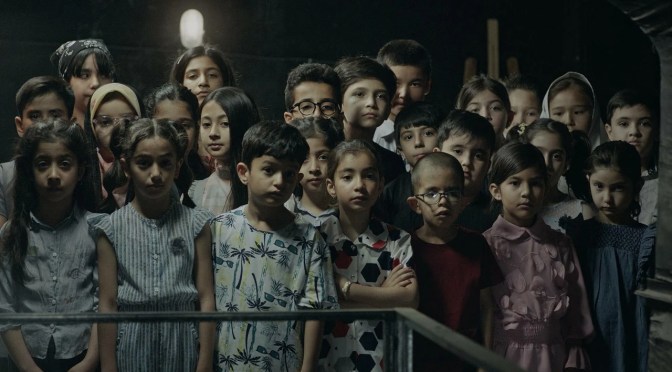
At the centre of Without Permission, Hassan Nazer’s quietly radical piece of docu-fiction that straddles protest and poetry, is an exiled Iranian filmmaker (Behrouz Sebt Rasoul), stripped of official approval, yet unwilling to relinquish the camera. With his assistant director (Setareh Fakhari) by his side, they drive the sun-scorched backroads of Iran that snake through rugged mountain terrain, capturing unsanctioned moments and unscripted lives. It’s part fiction, part vérité, held together by a filmmaker’s relentless desire to create despite censorship. But perhaps the most poignant voices come from children, wide-eyed, unfiltered, and disarmingly honest. In dimly lit underground rooms they speak of dreams, clothes they wish they could wear, friendships across gender lines, and their early, confused grasp of social restrictions. These interviews, captured with tender restraint by cinematographer Ali Mohammad Ghasemi, are the soul of the film. His use of backlight creates gentle halos around the young faces, visually echoing the vulnerability and fading innocence of growing up under surveillance.

However, while Without Permission breathes originality and urgency, it occasionally stumbles under the weight of homage. The film opens with a nod to Abbas Kiarostami – a revered name in Iranian and global cinema both. And while the comparison is understandable, it feels slightly forced. Nazer has already established his own voice with works like Winners (2022) and Utopia (2015). By invoking Kiarostami so directly, Without Permission risks positioning itself in someone else’s cinematic shadow rather than standing entirely on its own. The reference feels less like a tribute and more like an unnecessary framing device, especially for a film that thrives on its individuality.

The narrative also weaves in a fictional subplot: the assistant director’s domestic conflict and impending court case. While it adds thematic weight – mirroring the larger tension between freedom and control – it occasionally distracts from the raw immediacy of the children’s interviews. The film is at its strongest when it lingers in the unscripted moments, in the raw silence between questions, in the eyes of a child who isn’t quite sure what’s safe to say. Still, there is an undeniable tenderness in how Nazer handles these layers – balancing children’s voices with adult anxieties, threading issues of immigration and repression into the background without cinematic noise. He doesn’t preach. He listens. Visually, the film is minimalist yet evocative. There’s a tactile sense of place – the grit of unpaved roads, the muted palette of dusty towns, the claustrophobia of dim interiors. The sound design is subtle, almost austere, mirroring the restraint of a film that knows too much noise would betray its message.

Nazer doesn’t ask for your permission to tell this story. He simply tells it – quietly, bravely, and with extraordinary grace. Despite its missteps in homage, Nazer’s film ultimately proves that when you’re not allowed to speak, sometimes the only way forward is to film in secret and hope the world is listening. Without Permission is a deeply personal story about filmmaking under constraint, told by a director who knows that silence is often a louder act than shouting. It’s a film that doesn’t yell, but hums with defiance.

First published in The International Cinephile Society

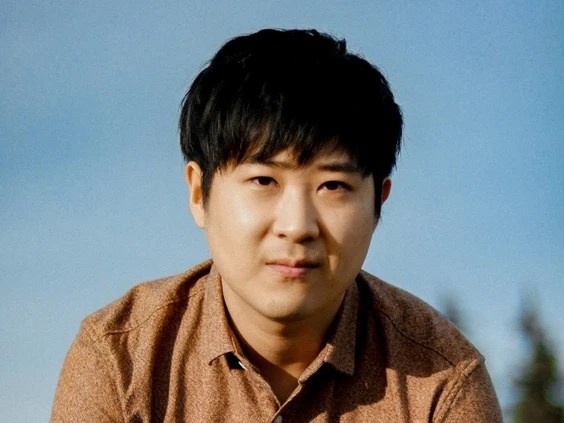
Tallinn Black Nights 2024 interview: Jerome Yoo (Mongrels)

Jerome Yoo, the debut director of Mongrels, has captured international attention after winning the prestigious FIPRESCI Award and a Special Mention from the Debut Jury at the 28th Tallinn Black Nights Film Festival (PÖFF). His powerful debut – a multi-layered character study of a grief-stricken Korean family adapting to life in 1990s rural Canada – has made waves among cinephiles. Known for his evocative storytelling and surreal visual style, Yoo has already earned accolades for his short films Gong Ju and Idols Never Die, which have graced film festivals worldwide. With Mongrels, Yoo solidifies his place as one of the most exciting new voices in cinema today.

Yoo and I had an amicable conversation about getting in touch with Korean culture, starting off filmmaking and developing Mongrels at PÖFF.

MP: This is your first feature; when did it all start?
JY: My career didn’t start with this intention. When I was growing up I never dreamt about becoming a filmmaker. My journey started in theatre, and later I moved into acting, picking up minor roles in shows on Netflix, Amazon, and Apple. I was lucky enough to grow up in Vancouver, a hub for American film productions, so I was exposed to the industry early on. Over time I became more interested in writing and began crafting short films. At first I didn’t know anything about screenwriting, but I started reading a lot of screenplays and plays, which made me learn about narrative structure and plot points. When I finished my scripts I pitched them to directors, but they couldn’t identify with my narratives, and they suggested that I direct my own scripts.

MP: As an actor-turned-director, how do you tackle the challenges of directing?
JY
: Honestly, at first I didn’t fully understand what directing entailed. I was just curious and eager to learn. But once I took on my first short film, I quickly discovered that it’s all about understanding the story and conveying that vision to your team. One thing I was comfortable with was working with actors. But I relied heavily on my talented crew regarding other aspects, like cinematography or lighting. Filmmaking is a deeply collaborative process. It’s like building a sandcastle with a team – everyone contributes their expertise to bring the story to life. After finishing my first short I was overwhelmed with this accomplishment. It was like a lightbulb turned on, and I knew this was what I wanted to do for the rest of my life.

MP: Your first feature is one of the most talked about films this year at PÖFF. What was the inspiration behind Mongrels?
JY
: The inspiration for Mongrels is very personal. Like most of my work it’s rooted in my experiences, growing up between two cultures. I was born in South Korea but grew up in Canada, and that sense of being torn between two worlds shaped me. When I was younger I struggled with identity, constantly feeling like I didn’t fully belong to either culture. However, as I grew older I started visiting Korea more often, and that’s when I began connecting with my roots. It was like the pieces of a puzzle started coming together. Mongrels reflects, most probably, my final cathartic journey. It’s more than just a film; it’s a way of processing my inner conflict. This film is deeply personal to me and my family, even more so than my previous work. It felt like I had to make this film. If I didn’t, I wouldn’t be able to move forward in my career.

MP: The term ‘mongrels’ has a unique connotation in society. Why did you use this term as your title?
JY
: The title came to me almost instinctively, driven by a single image – the final scene. This scene, in which three characters stand together, lost and searching for their place in a foreign land, lingered in my mind. I then thought about how dogs, especially mongrels, are often misunderstood and seen as outcasts. This resonated with the family in the film – misunderstood, caught between cultures, and striving to find their place. The term ‘mongrel’ also carries a certain rawness, a wildness, which aligns with the film’s tone. These characters, much like mongrel dogs, are on a quest for belonging, and the title felt like the perfect metaphor to capture their journey.

MP: You just said the start of your film was the final scene. What is the significance of this?
JY
: The final scene, where the family stands on the riverbank and Hajoon howls, is really important to me. Hajoon’s howl is a pivotal moment. It’s his way of announcing to the world that he exists and is not afraid of the future. He’s the most torn throughout the film – caught between his father’s traditional values, his role as a protector to his sister, and his desire to fit in and explore adolescence. That’s why it had to be Hajoon who howled. It’s a moment of courage, a declaration of moving forward. The howl is a symbolic gesture of hope, strength, and the will to embrace the unknown. For me, it represents resilience, which seeps into other family members as they join in with Hajoon in howling.

MP: I would like to look at the narrative structure. It is divided into three chapters, each focusing on one family member. Was this format decided from the beginning or did it evolve during the creative process?
JY
: I wanted to tell this story this way. Each chapter is essential to understanding the story’s emotional core. Each one explores the innermost struggles and pains of the family members. The chapters have different aspect ratios to reflect the character’s perspective. The first chapter focuses on the father, and we wanted to make the space feel cramped and suffocating – reflecting how he sees the world, especially as someone who’s been uprooted from his home in Korea. By the last chapter, centered on Hana, there’s a sense of innocence and wonder. Her world is more dreamlike, with lots of positive space. The narrative structure, with each chapter focusing on a different family member, allows us to delve deep into their individual experiences and emotions, providing a comprehensive understanding of the family’s dynamics and struggles.

MP: When I watched your film, the first thing that struck me was how lush and green the scenes were. They’re different from the typical dark tones we often associate with South Korean cinema, also in the first mini-plot. Can you talk about the visual choices?
JY
: I’m glad you noticed that. We wanted the house to feel like a prison, a place of suffocation. It’s only sometimes a safe space for the characters; sometimes, it feels more like a cage. But as we move through the chapters, the lighting changes to reflect the emotional state of the characters. In contrast, the outside world, especially the forests, is lush and vibrant. The dogs in the film are misunderstood in their natural habitat, just like the family is misunderstood. The greenery represents the idea of freedom, of escape. It’s meant to show that there is potential for hope and safety outside their home’s confines. I think the Pacific Northwest has a natural beauty, and I wanted to capture that. In terms of tone, this visual style reflects my voice as a filmmaker, which has been shaped by my experiences in Canada, even though I’m Korean. I gravitate toward more colourful, vibrant storytelling.

MP: You started the interview thinking this could be your final visual expression of your personal stories. Would you like to share some insights about your next project?
JY
: I’m currently working on an adaptation of a graphic novel. I’ve always been drawn to fantasy and folktales, and even in Mongrels you can see hints of fantasy stories like The Pied Piper. I am a fan of folktales and fantasy genres. There is a whole world of intertextuality in this which strongly appeals to me. My next project will delve into mythological creatures and explore a whole new world of symbolism. I’m really excited to bring that vision to life.

First appeared in the International Cinephile Society.

Tallinn Black Nights 2024 interview: Independent Voices of Georgia

At the 28th Tallinn Black Nights Film Festival (PÖFF) the spotlight shone on Georgian independent filmmakers under the theme “Independent Voices of Georgia.” This showcase offered a unique glimpse of a nation in transition, with Georgian filmmakers bravely exploring themes of independence, resilience, and innovation. Their films reflect the country’s evolving identity and unwavering commitment to powerful, unfiltered storytelling. From confronting historical wounds to navigating an uncertain future, Georgian cinema remains a force for voices that refuse to be silenced. The Georgian Film Institute (GFI), established in 2019 by leading filmmakers and industry professionals, emerged as a direct response to increasing government interference in the arts.

This year, Lana Gogoberidze, one of Georgia’s most celebrated directors, was honored with a Lifetime Achievement Award at the festival. At 96, she continues to inspire, presenting two iconic films to a new generation of viewers.

The featured films in the Georgian Spotlight section included a diverse range of works, each with its own unique perspective and storytelling style: Irine Jordania’s Air Blue Silk, Elene Mikaberidze’s Blueberry Dreams, Tato Kotetishvili’s Holy Electricity, Akaki Popkhadze’s In the Name of Blood, and Lana Gogoberidze’s Mother and Daughter, or the Night is Never Complete. Each of these films offers a unique and compelling narrative that is sure to captivate audiences.

I spoke candidly with three strong and independent female Georgian voices, Lana Gogoberidze, Irine Jordania, and Elene Mikaberidze.

Lana Gogoberidze

MP: Your films have a powerful narrative and a distinct visual language. They are often centered around assertive female protagonists who resist the status quo. How did this type of character emerge in your work?
LG: The roots of these characters run deep in my own life. At the age of seven I was separated from my parents and left to navigate a world without my loved ones. But even as a child I instinctively refused to be a passive victim of circumstance. I resisted, and that spirit became the foundation of my identity. Resistance wasn’t a choice – it naturally emerged within me. Two passions have always defined my life: poetry and cinema. From an early age, I was surrounded by intellectuals – directors, painters, writers – who gathered at my childhood home to recite poetry about resistance, power, and the strength of words. I remember my mother and her friends passionately discussing these themes. As I grew older I began writing poetry, even translating works I admired, like Edgar Allan Poe’s Annabel Lee. For me, poetry wasn’t just about beauty but a tool for defiance and self-expression.

MP: So when did you decide to pursue filmmaking?
LG: Filmmaking has always felt like part of my inheritance. My mother was a filmmaker, and growing up with that legacy left a strong mark on me. I always knew I wanted to follow in her footsteps. However, the social and political climate at the time made it difficult. I couldn’t go to Moscow to study filmmaking, so I enrolled at the University of Tbilisi instead. It wasn’t until Stalin’s death that I could finally travel to Moscow and pursue my dream of becoming a filmmaker.

MP: The Blue Room and your mother’s influence play significant roles in your work. Can you tell us more about them?
LG
: The Blue Room was the heart of my childhood home. Before my mother was sent to the Gulag, it was the gathering place for her circle of friends – artists, poets, thinkers. Here, I first encountered the power of words as I watched grown men recite poetry with passion and conviction. That room shaped who I am. It symbolizes my mother’s spirit, her love for poetry, and her zest for life. When she returned from the Gulag after ten years, she was different – almost like a stranger. But over time she became the center of our lives again. Through her, I witnessed the incredible resilience of women. Despite everything she endured, she remained kind, generous, and unbroken. She embodied the strength of a woman who refused to let hardship dim her soul. The 20th century was shaped by men, but women like her must tell the story of our resilience and our view of the world.

MP: What does ‘resistance’ mean to you in personal and cinematic terms?
LG: My mother was a true example of resistance. Even in the face of immense suffering, she never let her circumstances define her or her relationships with others. She always remained kind, never letting negativity taint her spirit. For her, literature became a tool of protest – a way to voice the desire for freedom and independence. She believed that resistance comes in many forms, from protecting your inner peace to using art as a sharp, emotional force to challenge oppression.

MP: Georgia’s political landscape is evolving, with increasing tensions surrounding pro-Russian policies and threats to freedom of speech. How do you feel about the current situation?
LG
: It’s a deeply troubling time for Georgia, but we will not return to the dark days of Soviet-era censorship. We are stronger now, and our desire for a free, independent Georgia remains unwavering. We want to be part of the European Union, and I am confident we can achieve this. People can now take to the streets and express their view – something unthinkable during Soviet rule – which gives me hope. Our collective will is our greatest strength.

MP: What message would you give to young filmmakers and artists who fear censorship or restrictions in today’s climate?
LG
: We must stand together. While we may not face the same kind of censorship we did during the Soviet era, the potential for restrictions still exists. We must remain united. We need to take action, whether it’s through protest, writing, or creating art. I still do this today. Our greatest gift is solidarity. We need each other now more than ever – within Georgia and with our friends in different nations. We can ensure our voices are heard, and our freedom remains intact.

Irine Jordania

MP: How does it feel to have your debut feature screened for an international audience?
IJ: I’m overjoyed. It’s an incredibly special moment, both for me and my team. We’ve spent over two and a half years making this film, and the process wasn’t easy, especially with the challenges posed by the National Film Center’s restrictions and censorship. Finally seeing the film on-screen and witnessing the audience’s response is truly rewarding. At a time like this, international platforms are crucial for us. We need spaces to share our voices, which are often stifled back home.

MP: Can you elaborate on what you mean by censorship from the National Film Center?
IJ: The National Film Center is the key institution for filmmakers in Georgia, especially for independent voices. It’s the primary source of funding and authorization. But in recent years this has changed dramatically. There’s been a clear shift toward restrictions and censorship for filmmakers, artists, academics, museums, and even journalists. Since October of this year, with the implementation of pro-Russian policies, the government has rolled out tools that curtail freedom of thought and expression. It’s a difficult time for anyone who values creative and intellectual freedom.

MP: What was your inspiration for this film?
IJ: The film began with a simple voice message from a relative. You’ll hear some of those voice messages woven into the narrative. The filmmaking process itself was quite unconventional. We didn’t start with a traditional script; instead, the story unfolded organically as my team and I interacted. Our actors brought personal experiences into their roles, so it felt like a collaborative, evolving process from the beginning.

MP: How did your cinematographer contribute to the film’s unique aesthetic?
IJ: We wanted to portray the city as minimalistic – almost like a fleeting glance. The cinematography was driven by the characters’ perspective of the city. We chose random, seemingly inconsequential shots to create a sense of detachment, like passing glimpses of everyday life. The visual language of the film is loose and open-ended, with the narrative taking a back seat. This approach allows the audience to fill in the gaps and interpret the deeper meaning without relying on too many dialogues or overt storytelling. It’s about creating space for the viewer to engage more personally.

MP: How do you raise funds for your films in a climate where independent voices are suppressed?
IJ: It’s not easy. Funding is scarce, but we’ve secured some support from the Georgian National Film Fund. We also seek financial assistance through competitions and partnerships with organizations like the Georgian Broadcaster. Additionally, some producers, such as Elene Margvelashvili, genuinely champion independent voices and have been crucial in helping us bring our vision to life.

MP: As a final question, do you have a message for other independent filmmakers?
IJ: Absolutely. My message is simple: I stand with my people, and we will continue to fight for justice and freedom. We must support each other, especially in times like these when our voices are being suppressed. Together, we can push back against censorship and continue to create meaningful, impactful work.

Elene Mikaberidze

MP: What inspired you to pursue filmmaking?
EM: From an early age, I was completely enchanted by the magic of cinema. I would collect movie tickets and magazine cut-outs – small treasures that sparked my obsession with films. However, life took me down a different path for a while. I focused on studying film and nationalism, particularly exploring Georgian cinema, war, and identity. But my true filmmaking journey began after a trip to visit my grandmother. The journey was eye-opening; I had to pass through three military checkpoints and witness the harsh realities of life on the border, especially in the occupied regions. I interviewed families and absorbed everything I could. When I returned to Belgium I planned to write an academic paper, but I found myself writing a script instead. That was when I knew I had to follow my passion for filmmaking.

MP: How did you transition to practice in filmmaking?
EM: It wasn’t an easy transition, but it felt inevitable. First, I had to learn Georgian since I didn’t speak the language at all – I was raised speaking French. Once I became fluent I returned to Georgia and began working on film sets. Luckily I found a producer at Nushi Films who believed in me. I started as a production assistant from the bottom, learning everything on the job. Slowly, I worked my way up, moving into set and costume design and gaining invaluable experience on larger productions. I honed my craft with each project until I was ready to make my own films. My first short film, Cadillac, was a major step forward, followed by Blueberry Dreams.

MP: Can you tell us about the production of Blueberry Dreams, your latest documentary?
EMBlueberry Dreams was a long journey. Initially, I wanted to film it in 2019 with my young cousins who live near the border. However, due to political unrest and the pandemic, everything stopped. The checkpoints were closed, and I felt completely stuck. That’s when I reached out to my producer, and soon after I met Elene Margvelashvili from Parachute Films. Together, we worked tirelessly to refine the script. In 2020, we submitted it to the Georgian National Film Center and were thrilled to win the competition. However, the pandemic delayed everything, and the waiting felt agonizing. Eventually, I travelled as far as I could to the border, where I met countless families and children, interviewing them about their lives. That experience reignited something inside me. Amid the chaos, my DOP and I found ourselves on a blueberry farm where we met two families, much like my cousins, struggling with their own stories. It was there, on that farm, that the film truly began to take shape. The political backdrop of their lives and their struggles sparked my curiosity and became the core of the documentary. The production faced numerous challenges, especially funding. Aside from the Georgian National Film Center’s competition win, the film was co-produced in Belgium and France. The process took five years, but it was a journey I wouldn’t trade for anything.

MP: What other challenges did you face during production?
EM: As I mentioned, the initial funding came from the Georgian National Film Center, but all independent filmmakers must go through them. While it’s a vital resource, the funding comes with many restrictions. For example, any delay in the production schedule or deviation from the original script can lead to fines. I was fined for using an extra tripod and painting something white that wasn’t planned initially! The bureaucratic hurdles were frustrating, but we navigated them as best we could. It’s all part of the struggle of making a film in such a restricted environment.

MP: What does the future look like for Georgian independent filmmakers?
EM: One thing that gives me hope is that we are not alone. There are 450 filmmakers in Georgia; together, we are a community. We support each other, share experiences, and fight for our right to tell our stories. I’m optimistic that we will be able to push for changes in European legislation, allowing us to enter co-productions without needing state funding. It’s a tough road ahead, but I’m confident that, despite the challenges, we are in a good situation. We are still fortunate to be alive, express ourselves publicly, and create art—even in the face of adversity.

First published in the International Cinephile Society in 2024