Tag Archives: movies

Film Review: Little Jaffna (2024) by Lawrence Valin

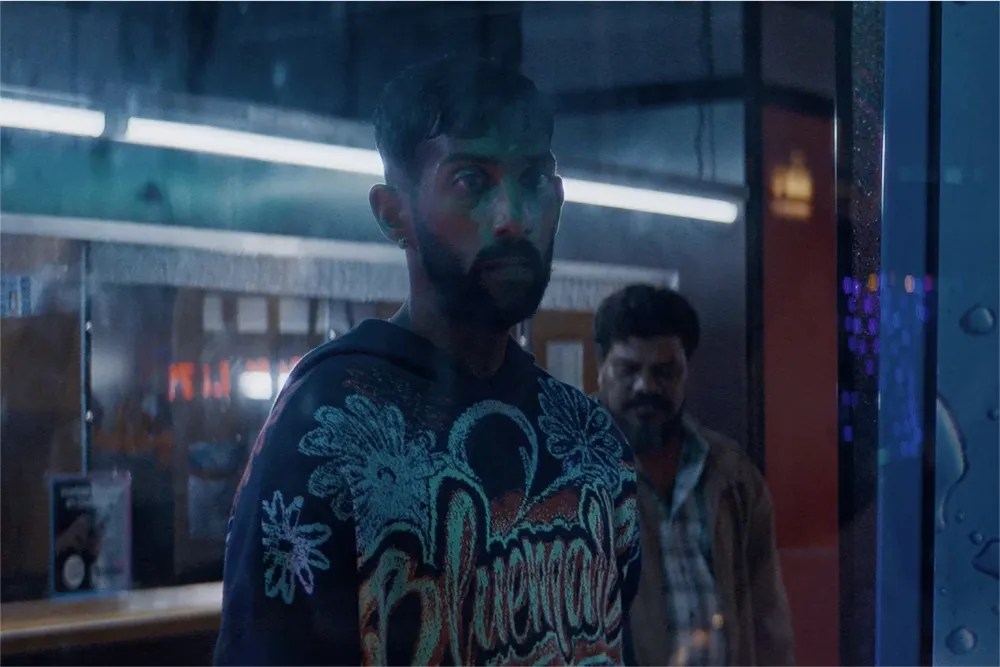
Little Jaffna is a gripping crime drama that offers a colourful and insightful perspective on the French Tamil diaspora.

“Little Jaffna“, Lawrence Valin‘s stunning directorial debut, is a gripping crime drama that offers a colourful and insightful perspective on the French Tamil diaspora. Premiering at the prestigious Venice Critics’ Week, this film quickly grabbed international cinephines’ attention for its daring voice and naïve cinematic expression. It was also screened at the Toronto Film Festival and is set to be screened at Tallinn Black Night’s Film Festival under the Best of The Fest banner.

At the film’s heart is Michael (portrayed by Valin himself), a young police officer thrust into a morally ambiguous mission. Tasked with infiltrating a local gang, he faces the daunting challenge of reconciling his duty as an officer with his deep-rooted cultural heritage and personal connections. This internal struggle forms the film’s crux, as Valin masterfully intertwines personal dilemmas with broader sociopolitical themes, highlighting the clash between personal, cultural and historical identities.

The film’s setting in La Chapelle, or Little Jaffna, named after the capital of the Northern province of Sri Lanka, brings a plethora of cultural nuances to the narrative. This vibrant neighbourhood serves as a microcosm of the Tamil experience in France, where cultural memories are alive, and the weight of political history is palpable. Valin’s representation of this community is enriched by his heritage, allowing for a depth of emotion often lacking in narratives about the diaspora produced in France. “Little Jaffna” is intimate and sociopolitical. By keeping the exact calendar year and month rather ambiguous, Valin plays on the influence of political struggle in Sri Lanka and the perpetual French and Tamil cultural differences as a carving on a stone in shaping the lives of Little Jaffna inhabitants.

Valin is not a newcomer to directing or acting; his two short films, “Little Jaffna (2017)” and “The Loyal Man(2020)” are his first ventures into cinema and seeds that grew into a flourishing tree as “Little Jaffna” in 2024. Valin received the ADAMI award for “The Loyal Man” for his stunning performance. He brings the same brilliance to this film, further facilitated by the young and vibrant dynamism of the young gangsters. The new frontrunners like Vela Ramamoorthy and Puviraj Ravindran, whose naive brilliance and seasoned performances by famous stars like Radhika Sarathkumar create a memorable cinematic experience.

“Little Jaffna” is visually captivating and blends the flavour of South Indian mainstream cinema with the city-scape film language of modern French cinema. The cinematographer Maxence Lemonnier, in perfect harmony with Valin, brings a unique visual style to the film. This hybridized visual language evokes the emotional weight of Kollywood films, incorporates surrealism and poignant imagery, and will captivate the audience’s nostalgia and even challenge it. It’s a celebration of both cultures, creating a rich tapestry that enhances the storytelling and leaves the audience visually stimulated.

Raw yet subtle, robust and engaging, “Little Jaffna” has already left a unique stamp on international cinema.

First appeared in the Asian Movie Pulse.

Film Review: Pyre (2024) by Vinod Kapri

A poignant ballad of love and hope, the movie delves deep into its characters’ emotional landscapes, inviting the audience to connect and empathize.

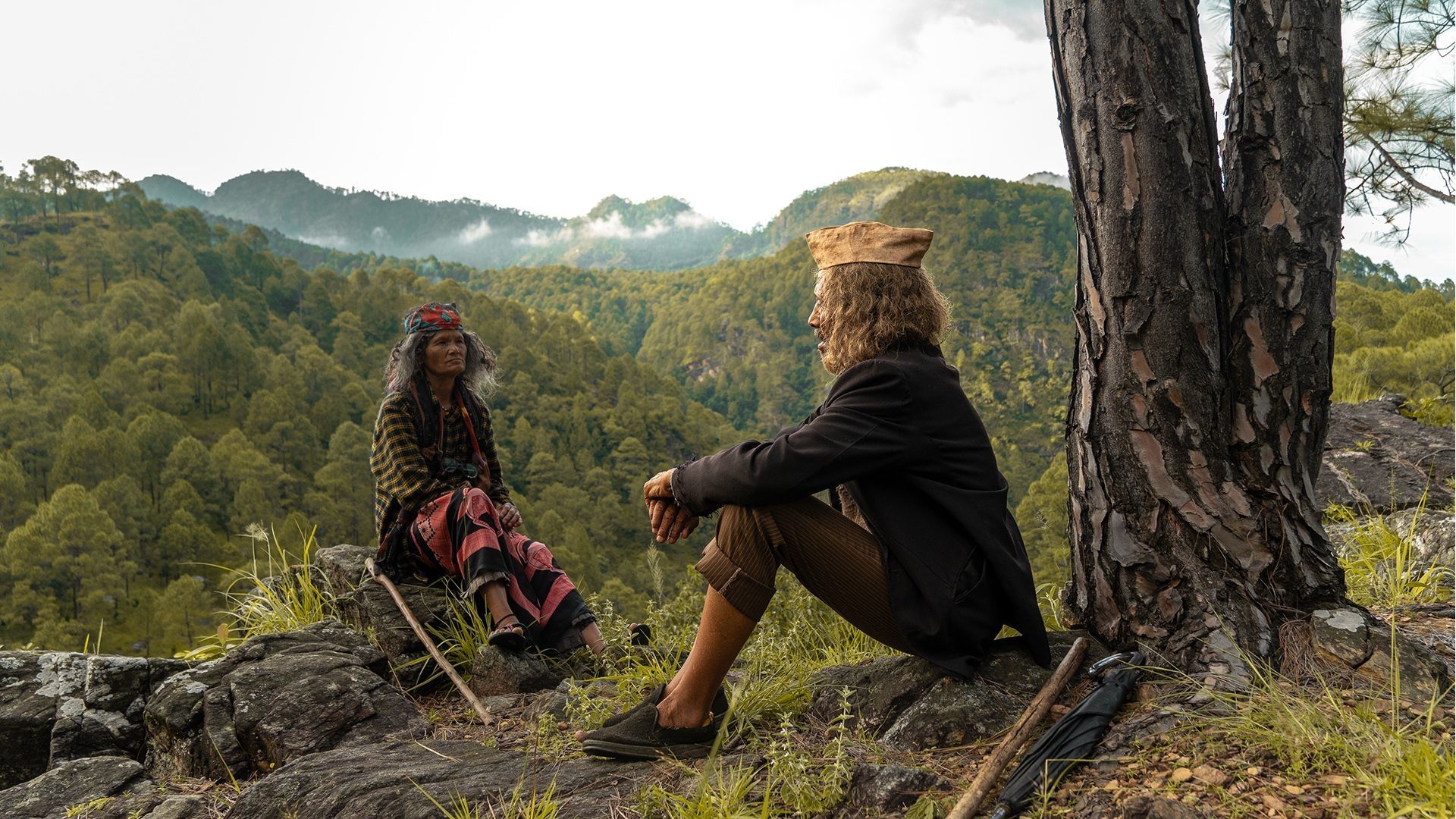
Vinod Kapri, renowned for his powerful portrayal of society’s overlooked individuals, returns with a profound meditation on love, loss, and isolation in “Pyre“. Kapri’s latest work shines with a poignant intensity that echoes his impactful films “1232 KMs” (2015) and “Pihu” (2016). Premiering at the 28th Black Night’s Film Festival, “Pyre” is a moving exploration of an elderly couple’s fragile existence in a remote Himalayan village, delving deep into the depths of their love and the weight of their loss.

Padam Singh (Padam Singh) and Tulsi (Heera Devi), an 80-year-old couple, remain in a world that the younger generation has abandoned. Their days pass in quiet routines, their loneliness masked by fleeting moments of humour. Haunted by the absence of their son, their hope is reignited by a letter promising his return. When he finally arrives, the reunion shatters their expectations, leading them into a painful new reality. The film’s devastating climax evokes a deep, emotional response, leaving the audience with a profound empathy.

Kapri’s mastery lies in his ability to cast non-professional actors, capturing raw emotion in every frame. Despite their inexperience with the camera, the performers bring a heartwarming authenticity to their roles. The film’s pacing and direction guide them through delicate emotional landscapes, creating an international resonance that transcends cultural barriers. The finely crafted script draws the viewer in, keeping them emotionally tethered to the couple’s journey. As the final scene unfolds, the audience is left teary-eyed, the sadness lingering long after the credits roll.

The film’s beauty is amplified by the artistry of Manash Bhattacharya, the director of photography. His sweeping shots of the Himalayan landscape mirror the couple’s isolation, the vast, winding trails offering space for the audience to reflect. The close-ups of the characters—though unpolished in their acting—capture the rawness of their lives and struggles. At times, the expansive mountains seem to dwarf them. At the same time, in other moments, the crumbling, dilapidated spaces echo their emotional decay. Bhattacharya’s careful use of light adds a realistic touch, grounding the story in the simplicity of the couple’s world.

The music, composed by Mychael Danna’s “Life of Pi”, “Moneyball”, and Amritha Vaz (twice nominated for the Annie Award), gently elevates the emotional weight of the film. At times, the music swells to underscore the story’s sadness. Still, the sweeping grandeur of nature around the characters ultimately steals the show. Like the couple’s love, the landscape speaks volumes in its quiet majesty. The soft undercurrent music amplifies the emotional journey, enveloping the audience in a cocoon of tenderness and heartbreak.

It is a haunting, beautiful story that resonates deeply, leaving a lasting impact that lingers long after the screen fades to black. It is a film that speaks to the heart, capturing the fragility of life and the resilience of love in a world that is slowly fading away.

First appeared in the Asian Movie Pulse.

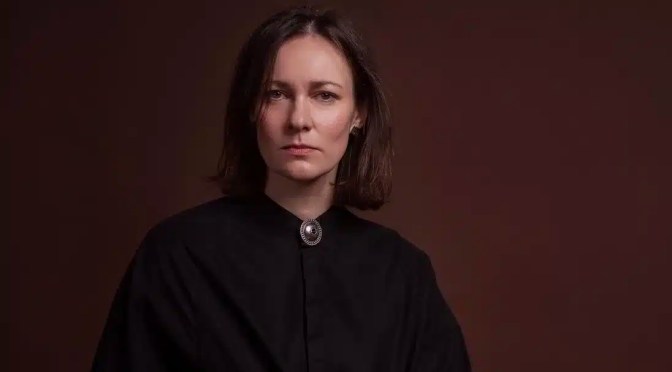
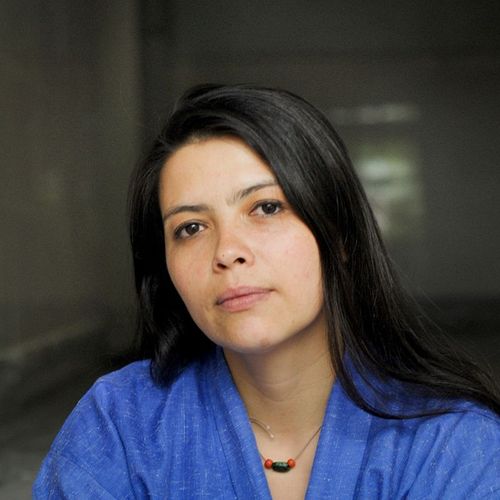
Tallinn Black Nights 2024 interview: Dechen Roder (I, the Song)

Dechen Roder (1980) is one of Bhutan’s pioneering female directors. She began her filmmaking career in 2009 with her production company, Dakinny Productions, making documentaries and short videos. Her debut feature, “Honeygiver Among the Dogs (2017), premiered at the Busan International Film Festival and won three awards at the Fribourg International Film Festival. It also became the first Bhutanese film nominated for the Pacific Screen Award. Roder also co-founded Bhutan’s only film festival, the Beskop Tshechu Film Festival.

Her latest feature, “I, the Song,” premiered at the 28th Tallinn Black Night’s Film Festival under the Critic’s Pick Competition, where she was awarded Best Director.

I had a chance to have a heart-to-heart conversation with her at the 28th Tallinn Black Night Film Festival in Estonia about her filmmaking career and her latest film, ” I, the Song. “

Congratulations on winning Best Director at the Critics’ Pick section i for “I, the Song”How do you feel about it?

Thank you so much! I’m thrilled and a bit surprised, to be honest. It’s a great honour, and I’m deeply grateful to the festival for this recognition. But really, this win belongs to the entire team—the cast, crew, and everyone involved. Filmmaking is a collaborative effort, and I’m excited to share this journey with you all.

I’d love to hear about your filmmaking journey. How did your passion for storytelling begin?

My path into filmmaking wasn’t a straight line—it was more of a series of small moments that led me here. I’ve loved stories my whole life, which started with my mother. She’s been a storyteller as long as I can remember, passing down folktales and preserving Bhutan’s oral tradition. In Bhutan, storytelling has always been a communal activity, and that tradition has really shaped my work. In my 20s, when Bhutan’s film industry began to emerge, I realized film could be the perfect medium to carry on that tradition. We didn’t have a long history of analogue cinema, so we jumped into digital filmmaking. It felt natural to pursue this, blending my love of storytelling with the possibilities of the cinematic form.

Was there a particular moment when you decided filmmaking was your path?

For me, it was always about the transformative power of film. Cinema lets you go beyond just telling a story—it can open up a whole universe and allow you to connect with an audience on a deeper level. Growing up in Bhutan, no formal film education was available, so I studied history and international relations. But when I began writing my thesis, I realized there was a way to approach storytelling academically. Yet, I quickly realized that cinema’s reach was far more significant. It’s not just about ideas but how to communicate them to a broader audience.

After realizing your calling, where did you learn the craft of filmmaking?

I’ve been making films for nearly 20 years, and I want to stress that learning is a continuous process in this field. Every film I’ve worked on has been a lesson—whether it’s a feature, a documentary, or a short video project. I’ve worked on various projects in Bhutan, and each one has taught me something new about the craft. The process is ongoing; every new film is an opportunity to improve and refine my skills. I’m excited to share this journey with you.

Let’s delve into the title of your film, I, The Song. Despite their apparent differences, the characters Nima and Meto have intertwined stories. How does the title resonate with the narrative?

The idea of doppelgangers is central to the film. Nima and Meto look strikingly similar, which mirrors a song’s theme. Much like a story, a song doesn’t truly belong to anyone. It evolves, is shared, and takes on new meanings with each retelling. In that sense, Nima and Meto start as two separate individuals, but their identities blur and merge by the film’s end. They are distinct yet inseparable—just like a song that belongs to everyone and no one at the same time.

The visual style in “I, The Song” is quite striking, particularly your use of colour and light. Nima’s world feels cold and muted, while Meto’s is bathed in warm, golden light. Please elaborate on the significance of this choice.

That was a very intentional decision. My cinematographer, Rangoli Agarwal, and I discussed how to reflect the characters’ inner worlds through the visual tone. Nima’s world is cool, almost desaturated, which mirrors her perspective on life. She sees everything in black and white, so her surroundings, her costumes, and even the lighting are all in line with that. On the other hand, Meto is full of warmth and life, so we used much more saturated colours for her. The colours shift as the film progresses, and Nima’s life intertwines with Meto’s. The colder tones start to blend into warmer shades, symbolizing the change in Nima as she embraces a new perspective. Rangoli, who has an academic cinematography background, helped bring these ideas to life on screen.

That’s a fascinating approach. On a similar note, why did you narrate Meto’s story from a third-person perspective rather than giving her a direct voice?

I had many people tell me they wished Meto’s story could have been told from her own point of view. But for me, it was important to present her as a kind of memory—fragments of her life seen through other people’s eyes. The bright, almost ethereal tones we use to portray her convey that she’s seen as a memory, not entirely tangible but rather a collection of other people’s perceptions of her. In that sense, Meto’s story is never fully hers—it’s shaped by how others remember her.

Lastly, I would like to ask about the incredible actress Tandin Bidha, who plays both Nima and Meto. How did you find her for these roles?

Tandin is a massive name in Bhutanese commercial cinema—she’s starred in over 40 films. But this is her first time in an indie film, and the roles she plays in “I, The Song” are very different from anything she’s done before. I knew she was the perfect fit for these complex characters when I saw her. Nima and Meto are polar opposites, and Tandin brought a depth and range to both roles that I hadn’t seen in anyone else. Her ability to bring these characters to life, with all their contrasts and contradictions, made her the ideal choice.

Her performance is vital to the film’s success. Thank you so much for sharing your insights with us today. “I, The Song” is a beautiful, thought-provoking film; we can’t wait to see what you do next!

Thank you! It’s been a pleasure talking to you. I’m excited for the audience to experience the film and grateful for the support.

First appeared in Asian Movie Pulse.

Tallinn Black Nights 2024 interview: Jerome Yoo (Mongrels)

Jerome Yoo, the debut director of Mongrels, has captured international attention after winning the prestigious FIPRESCI Award and a Special Mention from the Debut Jury at the 28th Tallinn Black Nights Film Festival (PÖFF). His powerful debut – a multi-layered character study of a grief-stricken Korean family adapting to life in 1990s rural Canada – has made waves among cinephiles. Known for his evocative storytelling and surreal visual style, Yoo has already earned accolades for his short films Gong Ju and Idols Never Die, which have graced film festivals worldwide. With Mongrels, Yoo solidifies his place as one of the most exciting new voices in cinema today.

Yoo and I had an amicable conversation about getting in touch with Korean culture, starting off filmmaking and developing Mongrels at PÖFF.

MP: This is your first feature; when did it all start?
JY: My career didn’t start with this intention. When I was growing up I never dreamt about becoming a filmmaker. My journey started in theatre, and later I moved into acting, picking up minor roles in shows on Netflix, Amazon, and Apple. I was lucky enough to grow up in Vancouver, a hub for American film productions, so I was exposed to the industry early on. Over time I became more interested in writing and began crafting short films. At first I didn’t know anything about screenwriting, but I started reading a lot of screenplays and plays, which made me learn about narrative structure and plot points. When I finished my scripts I pitched them to directors, but they couldn’t identify with my narratives, and they suggested that I direct my own scripts.

MP: As an actor-turned-director, how do you tackle the challenges of directing?
JY
: Honestly, at first I didn’t fully understand what directing entailed. I was just curious and eager to learn. But once I took on my first short film, I quickly discovered that it’s all about understanding the story and conveying that vision to your team. One thing I was comfortable with was working with actors. But I relied heavily on my talented crew regarding other aspects, like cinematography or lighting. Filmmaking is a deeply collaborative process. It’s like building a sandcastle with a team – everyone contributes their expertise to bring the story to life. After finishing my first short I was overwhelmed with this accomplishment. It was like a lightbulb turned on, and I knew this was what I wanted to do for the rest of my life.

MP: Your first feature is one of the most talked about films this year at PÖFF. What was the inspiration behind Mongrels?
JY
: The inspiration for Mongrels is very personal. Like most of my work it’s rooted in my experiences, growing up between two cultures. I was born in South Korea but grew up in Canada, and that sense of being torn between two worlds shaped me. When I was younger I struggled with identity, constantly feeling like I didn’t fully belong to either culture. However, as I grew older I started visiting Korea more often, and that’s when I began connecting with my roots. It was like the pieces of a puzzle started coming together. Mongrels reflects, most probably, my final cathartic journey. It’s more than just a film; it’s a way of processing my inner conflict. This film is deeply personal to me and my family, even more so than my previous work. It felt like I had to make this film. If I didn’t, I wouldn’t be able to move forward in my career.

MP: The term ‘mongrels’ has a unique connotation in society. Why did you use this term as your title?
JY
: The title came to me almost instinctively, driven by a single image – the final scene. This scene, in which three characters stand together, lost and searching for their place in a foreign land, lingered in my mind. I then thought about how dogs, especially mongrels, are often misunderstood and seen as outcasts. This resonated with the family in the film – misunderstood, caught between cultures, and striving to find their place. The term ‘mongrel’ also carries a certain rawness, a wildness, which aligns with the film’s tone. These characters, much like mongrel dogs, are on a quest for belonging, and the title felt like the perfect metaphor to capture their journey.

MP: You just said the start of your film was the final scene. What is the significance of this?
JY
: The final scene, where the family stands on the riverbank and Hajoon howls, is really important to me. Hajoon’s howl is a pivotal moment. It’s his way of announcing to the world that he exists and is not afraid of the future. He’s the most torn throughout the film – caught between his father’s traditional values, his role as a protector to his sister, and his desire to fit in and explore adolescence. That’s why it had to be Hajoon who howled. It’s a moment of courage, a declaration of moving forward. The howl is a symbolic gesture of hope, strength, and the will to embrace the unknown. For me, it represents resilience, which seeps into other family members as they join in with Hajoon in howling.

MP: I would like to look at the narrative structure. It is divided into three chapters, each focusing on one family member. Was this format decided from the beginning or did it evolve during the creative process?
JY
: I wanted to tell this story this way. Each chapter is essential to understanding the story’s emotional core. Each one explores the innermost struggles and pains of the family members. The chapters have different aspect ratios to reflect the character’s perspective. The first chapter focuses on the father, and we wanted to make the space feel cramped and suffocating – reflecting how he sees the world, especially as someone who’s been uprooted from his home in Korea. By the last chapter, centered on Hana, there’s a sense of innocence and wonder. Her world is more dreamlike, with lots of positive space. The narrative structure, with each chapter focusing on a different family member, allows us to delve deep into their individual experiences and emotions, providing a comprehensive understanding of the family’s dynamics and struggles.

MP: When I watched your film, the first thing that struck me was how lush and green the scenes were. They’re different from the typical dark tones we often associate with South Korean cinema, also in the first mini-plot. Can you talk about the visual choices?
JY
: I’m glad you noticed that. We wanted the house to feel like a prison, a place of suffocation. It’s only sometimes a safe space for the characters; sometimes, it feels more like a cage. But as we move through the chapters, the lighting changes to reflect the emotional state of the characters. In contrast, the outside world, especially the forests, is lush and vibrant. The dogs in the film are misunderstood in their natural habitat, just like the family is misunderstood. The greenery represents the idea of freedom, of escape. It’s meant to show that there is potential for hope and safety outside their home’s confines. I think the Pacific Northwest has a natural beauty, and I wanted to capture that. In terms of tone, this visual style reflects my voice as a filmmaker, which has been shaped by my experiences in Canada, even though I’m Korean. I gravitate toward more colourful, vibrant storytelling.

MP: You started the interview thinking this could be your final visual expression of your personal stories. Would you like to share some insights about your next project?
JY
: I’m currently working on an adaptation of a graphic novel. I’ve always been drawn to fantasy and folktales, and even in Mongrels you can see hints of fantasy stories like The Pied Piper. I am a fan of folktales and fantasy genres. There is a whole world of intertextuality in this which strongly appeals to me. My next project will delve into mythological creatures and explore a whole new world of symbolism. I’m really excited to bring that vision to life.

First appeared in the International Cinephile Society.

Tallinn Black Nights 2024 interview: Independent Voices of Georgia

At the 28th Tallinn Black Nights Film Festival (PÖFF) the spotlight shone on Georgian independent filmmakers under the theme “Independent Voices of Georgia.” This showcase offered a unique glimpse of a nation in transition, with Georgian filmmakers bravely exploring themes of independence, resilience, and innovation. Their films reflect the country’s evolving identity and unwavering commitment to powerful, unfiltered storytelling. From confronting historical wounds to navigating an uncertain future, Georgian cinema remains a force for voices that refuse to be silenced. The Georgian Film Institute (GFI), established in 2019 by leading filmmakers and industry professionals, emerged as a direct response to increasing government interference in the arts.

This year, Lana Gogoberidze, one of Georgia’s most celebrated directors, was honored with a Lifetime Achievement Award at the festival. At 96, she continues to inspire, presenting two iconic films to a new generation of viewers.

The featured films in the Georgian Spotlight section included a diverse range of works, each with its own unique perspective and storytelling style: Irine Jordania’s Air Blue Silk, Elene Mikaberidze’s Blueberry Dreams, Tato Kotetishvili’s Holy Electricity, Akaki Popkhadze’s In the Name of Blood, and Lana Gogoberidze’s Mother and Daughter, or the Night is Never Complete. Each of these films offers a unique and compelling narrative that is sure to captivate audiences.

I spoke candidly with three strong and independent female Georgian voices, Lana Gogoberidze, Irine Jordania, and Elene Mikaberidze.

Lana Gogoberidze

MP: Your films have a powerful narrative and a distinct visual language. They are often centered around assertive female protagonists who resist the status quo. How did this type of character emerge in your work?
LG: The roots of these characters run deep in my own life. At the age of seven I was separated from my parents and left to navigate a world without my loved ones. But even as a child I instinctively refused to be a passive victim of circumstance. I resisted, and that spirit became the foundation of my identity. Resistance wasn’t a choice – it naturally emerged within me. Two passions have always defined my life: poetry and cinema. From an early age, I was surrounded by intellectuals – directors, painters, writers – who gathered at my childhood home to recite poetry about resistance, power, and the strength of words. I remember my mother and her friends passionately discussing these themes. As I grew older I began writing poetry, even translating works I admired, like Edgar Allan Poe’s Annabel Lee. For me, poetry wasn’t just about beauty but a tool for defiance and self-expression.

MP: So when did you decide to pursue filmmaking?
LG: Filmmaking has always felt like part of my inheritance. My mother was a filmmaker, and growing up with that legacy left a strong mark on me. I always knew I wanted to follow in her footsteps. However, the social and political climate at the time made it difficult. I couldn’t go to Moscow to study filmmaking, so I enrolled at the University of Tbilisi instead. It wasn’t until Stalin’s death that I could finally travel to Moscow and pursue my dream of becoming a filmmaker.

MP: The Blue Room and your mother’s influence play significant roles in your work. Can you tell us more about them?
LG
: The Blue Room was the heart of my childhood home. Before my mother was sent to the Gulag, it was the gathering place for her circle of friends – artists, poets, thinkers. Here, I first encountered the power of words as I watched grown men recite poetry with passion and conviction. That room shaped who I am. It symbolizes my mother’s spirit, her love for poetry, and her zest for life. When she returned from the Gulag after ten years, she was different – almost like a stranger. But over time she became the center of our lives again. Through her, I witnessed the incredible resilience of women. Despite everything she endured, she remained kind, generous, and unbroken. She embodied the strength of a woman who refused to let hardship dim her soul. The 20th century was shaped by men, but women like her must tell the story of our resilience and our view of the world.

MP: What does ‘resistance’ mean to you in personal and cinematic terms?
LG: My mother was a true example of resistance. Even in the face of immense suffering, she never let her circumstances define her or her relationships with others. She always remained kind, never letting negativity taint her spirit. For her, literature became a tool of protest – a way to voice the desire for freedom and independence. She believed that resistance comes in many forms, from protecting your inner peace to using art as a sharp, emotional force to challenge oppression.

MP: Georgia’s political landscape is evolving, with increasing tensions surrounding pro-Russian policies and threats to freedom of speech. How do you feel about the current situation?
LG
: It’s a deeply troubling time for Georgia, but we will not return to the dark days of Soviet-era censorship. We are stronger now, and our desire for a free, independent Georgia remains unwavering. We want to be part of the European Union, and I am confident we can achieve this. People can now take to the streets and express their view – something unthinkable during Soviet rule – which gives me hope. Our collective will is our greatest strength.

MP: What message would you give to young filmmakers and artists who fear censorship or restrictions in today’s climate?
LG
: We must stand together. While we may not face the same kind of censorship we did during the Soviet era, the potential for restrictions still exists. We must remain united. We need to take action, whether it’s through protest, writing, or creating art. I still do this today. Our greatest gift is solidarity. We need each other now more than ever – within Georgia and with our friends in different nations. We can ensure our voices are heard, and our freedom remains intact.

Irine Jordania

MP: How does it feel to have your debut feature screened for an international audience?
IJ: I’m overjoyed. It’s an incredibly special moment, both for me and my team. We’ve spent over two and a half years making this film, and the process wasn’t easy, especially with the challenges posed by the National Film Center’s restrictions and censorship. Finally seeing the film on-screen and witnessing the audience’s response is truly rewarding. At a time like this, international platforms are crucial for us. We need spaces to share our voices, which are often stifled back home.

MP: Can you elaborate on what you mean by censorship from the National Film Center?
IJ: The National Film Center is the key institution for filmmakers in Georgia, especially for independent voices. It’s the primary source of funding and authorization. But in recent years this has changed dramatically. There’s been a clear shift toward restrictions and censorship for filmmakers, artists, academics, museums, and even journalists. Since October of this year, with the implementation of pro-Russian policies, the government has rolled out tools that curtail freedom of thought and expression. It’s a difficult time for anyone who values creative and intellectual freedom.

MP: What was your inspiration for this film?
IJ: The film began with a simple voice message from a relative. You’ll hear some of those voice messages woven into the narrative. The filmmaking process itself was quite unconventional. We didn’t start with a traditional script; instead, the story unfolded organically as my team and I interacted. Our actors brought personal experiences into their roles, so it felt like a collaborative, evolving process from the beginning.

MP: How did your cinematographer contribute to the film’s unique aesthetic?
IJ: We wanted to portray the city as minimalistic – almost like a fleeting glance. The cinematography was driven by the characters’ perspective of the city. We chose random, seemingly inconsequential shots to create a sense of detachment, like passing glimpses of everyday life. The visual language of the film is loose and open-ended, with the narrative taking a back seat. This approach allows the audience to fill in the gaps and interpret the deeper meaning without relying on too many dialogues or overt storytelling. It’s about creating space for the viewer to engage more personally.

MP: How do you raise funds for your films in a climate where independent voices are suppressed?
IJ: It’s not easy. Funding is scarce, but we’ve secured some support from the Georgian National Film Fund. We also seek financial assistance through competitions and partnerships with organizations like the Georgian Broadcaster. Additionally, some producers, such as Elene Margvelashvili, genuinely champion independent voices and have been crucial in helping us bring our vision to life.

MP: As a final question, do you have a message for other independent filmmakers?
IJ: Absolutely. My message is simple: I stand with my people, and we will continue to fight for justice and freedom. We must support each other, especially in times like these when our voices are being suppressed. Together, we can push back against censorship and continue to create meaningful, impactful work.

Elene Mikaberidze

MP: What inspired you to pursue filmmaking?
EM: From an early age, I was completely enchanted by the magic of cinema. I would collect movie tickets and magazine cut-outs – small treasures that sparked my obsession with films. However, life took me down a different path for a while. I focused on studying film and nationalism, particularly exploring Georgian cinema, war, and identity. But my true filmmaking journey began after a trip to visit my grandmother. The journey was eye-opening; I had to pass through three military checkpoints and witness the harsh realities of life on the border, especially in the occupied regions. I interviewed families and absorbed everything I could. When I returned to Belgium I planned to write an academic paper, but I found myself writing a script instead. That was when I knew I had to follow my passion for filmmaking.

MP: How did you transition to practice in filmmaking?
EM: It wasn’t an easy transition, but it felt inevitable. First, I had to learn Georgian since I didn’t speak the language at all – I was raised speaking French. Once I became fluent I returned to Georgia and began working on film sets. Luckily I found a producer at Nushi Films who believed in me. I started as a production assistant from the bottom, learning everything on the job. Slowly, I worked my way up, moving into set and costume design and gaining invaluable experience on larger productions. I honed my craft with each project until I was ready to make my own films. My first short film, Cadillac, was a major step forward, followed by Blueberry Dreams.

MP: Can you tell us about the production of Blueberry Dreams, your latest documentary?
EMBlueberry Dreams was a long journey. Initially, I wanted to film it in 2019 with my young cousins who live near the border. However, due to political unrest and the pandemic, everything stopped. The checkpoints were closed, and I felt completely stuck. That’s when I reached out to my producer, and soon after I met Elene Margvelashvili from Parachute Films. Together, we worked tirelessly to refine the script. In 2020, we submitted it to the Georgian National Film Center and were thrilled to win the competition. However, the pandemic delayed everything, and the waiting felt agonizing. Eventually, I travelled as far as I could to the border, where I met countless families and children, interviewing them about their lives. That experience reignited something inside me. Amid the chaos, my DOP and I found ourselves on a blueberry farm where we met two families, much like my cousins, struggling with their own stories. It was there, on that farm, that the film truly began to take shape. The political backdrop of their lives and their struggles sparked my curiosity and became the core of the documentary. The production faced numerous challenges, especially funding. Aside from the Georgian National Film Center’s competition win, the film was co-produced in Belgium and France. The process took five years, but it was a journey I wouldn’t trade for anything.

MP: What other challenges did you face during production?
EM: As I mentioned, the initial funding came from the Georgian National Film Center, but all independent filmmakers must go through them. While it’s a vital resource, the funding comes with many restrictions. For example, any delay in the production schedule or deviation from the original script can lead to fines. I was fined for using an extra tripod and painting something white that wasn’t planned initially! The bureaucratic hurdles were frustrating, but we navigated them as best we could. It’s all part of the struggle of making a film in such a restricted environment.

MP: What does the future look like for Georgian independent filmmakers?
EM: One thing that gives me hope is that we are not alone. There are 450 filmmakers in Georgia; together, we are a community. We support each other, share experiences, and fight for our right to tell our stories. I’m optimistic that we will be able to push for changes in European legislation, allowing us to enter co-productions without needing state funding. It’s a tough road ahead, but I’m confident that, despite the challenges, we are in a good situation. We are still fortunate to be alive, express ourselves publicly, and create art—even in the face of adversity.

First published in the International Cinephile Society in 2024

Tallinn Black Nights 2024 interview: Jon Bass (Carole & Grey)

Jon Bass’s directorial debut, Carole & Grey, premiered at the 28th Tallinn Black Nights Film Festival. The film was showcased in the special section “Rebel with a Cause”, which highlights innovative, boundary-pushing films that challenge conventional cinematic norms. This section is dedicated to showcasing experimental works that take risks, both in form and message, presenting daring new visions from filmmakers across the globe. I sat down with the helmer, Jon Bass, about his introduction to filmmaking and the unique cinematic journey in his debut film.

MP: You’ve had a diverse journey in the film industry, starting as an actor. How did that experience shape your approach to directing? Your unique perspective on acting has undoubtedly given you a fascinating insight into filmmaking. Could you share more about this?
JB: Acting definitely gave me a unique perspective on filmmaking. I was fortunate to work on big studio productions like Baywatch and smaller indie films. From that, I learned that large-scale productions often face challenges due to too many voices in the decision-making process, which can sometimes compromise the quality of the final product.

Conversely, smaller films have a closer-knit team focused on the story and quality. When the Hollywood writers’ strike hit, I saw how many projects were stalled indefinitely, and it really disillusioned me with the studio system. This disillusionment led me to take control of my creative process and make something on a smaller budget. That’s how I came to make Carole & Grey, a film that allowed me to be involved in every part of the process from start to end.

MP: You mentioned a small budget – $10,000 – for this film. Did that limitation push you to be more innovative in your approach?
JB
: Absolutely. The budget forced me to be resourceful, but I saw it as an opportunity to break free from traditional filmmaking constraints. To be free in our expression, which actually worked in our favour. I wasn’t concerned with making the most beautiful shots or adhering to cinematic norms. It was more important to me that the film was organic and spontaneous, and the limitations allowed for that. We shot the entire movie vertically on an iPhone, which some people may balk at as ‘not real cinema,’ but for me, it was about capturing the raw energy and immediacy of the story in a way that’s accessible and ‘modern.’

MP: Regarding the film’s visual approach, why choose to shoot vertically with an iPhone? It’s a bold choice, especially given the industry’s preference for traditional cinematic formats.
JB
: The decision to shoot vertically was intentional. I wanted to create a film that people could watch on their phones in a familiar format. I didn’t expect the film to make it into festivals, but I’m glad I stuck to my vision. The vertical format is about something other than following tradition but finding a medium that works for the story I wanted to tell. This film isn’t concerned with conventional notions of ‘cinematic quality.’ There are moments when shots are out of focus or pixelated, and that’s by design. It’s all part of expressing the chaos and energy of the film, and it adds a layer of authenticity. Plus, it makes the movie more relatable to audiences who are used to watching everything on their phones, primarily through platforms like TikTok.

MP: You’ve described Carole & Grey as a reflection of your ADHD, with rapid shifts in tone. Can you elaborate on how these shifts affect the film’s structure and narrative?
JB
: The film’s tone mirrors how my brain works – it’s constantly jumping from one feeling to another. One moment we’re having a serious conversation, and the next there’s humour, followed by moments of excitement or anxiety. The film feels like a whirlwind of different emotions and topics. I wrote 30 scenes, and with a runtime of just 66 minutes, I had the freedom to let the film shift between them quickly. The structure is meant to reflect the chaos and unpredictability of life, especially in a city like New York where everything is always in motion. It was a conscious decision to keep the audience on their toes, just like the characters are navigating their day.

MP: Your film shares similarities with the mumblecore movement, especially its dialogue-driven, character-centric style. Were filmmakers like Lynn Shelton an influence on your work?
JB
: Lynn Shelton was a significant influence on me, particularly her use of dialogue and the way she brought out natural, often messy human interactions. I had the privilege of working with her before she passed, and that experience really changed how I view filmmaking. The mumblecore genre, with its emphasis on real, unpolished conversations, was something I really admired. I wanted to capture that raw, natural feel but with a twist. So I added elements of magical realism – with ordinary and extraordinary characters like the shapeshifter, soothsayer, and witch. These characters serve to elevate the grounded, everyday moments and make the world feel more fantastical. It’s a way of blurring the line between what’s real and imagined, which is central to the story.

MP: You’ve also mentioned that the film is set against the backdrop of New York City. How does the city itself play into the themes of the movie?
JB
: New York is integral to the film, not just as a backdrop but as a reflection of the characters’ chaotic inner worlds. The city never stops moving, it’s a place where everything happens simultaneously. You’re on a ferry one moment, then on a bike, and before you know it, you’re running down a busy street. It’s the perfect setting for a story about shifting perspectives and emotional highs and lows. The constant movement of New York mirrors the unpredictable flow of thoughts and emotions that the characters and I experience. It’s a city where anything can happen at any time, precisely what I wanted to convey through the film’s unpredictable tone and rapid pace.

MP: The film feels heightened, especially with the magical elements. Is this a metaphor for Grey’s perception of the world, or is it something more universal?
JB
: The magical realism isn’t limited to just Grey’s perspective. It’s a reflection of the world through the eyes of everyone in the story – Carole, Grey, and even the people they encounter. I wanted to show that our world can feel surreal and full of possibility, especially in a city like New York where the ordinary and extraordinary coexist. The shapeshifter, the soothsayer, and the witch could appear at any moment; is it real, is it imagined, or a bit of both? It’s not just Grey’s world, it’s everyone’s world, and anyone could encounter magic in their everyday life if they’re open to it. It’s about embracing chaos and the unknown.

MP: Finally, the film’s narrative structure and visual choices are unconventional. Who do you see as the ideal audience for Carole & Grey?
JB
Carole & Grey isn’t a film for everyone, and I’m okay with that. It’s designed for people who are open to a different kind of experience – those who appreciate films that move quickly, feel raw and challenge traditional storytelling. This may not be your film if you’re looking for a standard narrative with polished shots and a predictable plot. But if you enjoy stories that feel fresh, chaotic, and unpredictable, this film speaks directly to that audience. It’s for those who embrace imperfection and like to experience something new and exciting, much like life.

First published in The International Cinephile Society in 2024

Tallinn Black Nights 2024 interview: Viktor Taus (Girl America)

Viktor Tauš’s latest feature Girl America is a visual feast that dazzles the audience with its striking compositions, absurd characterization, and explosions of colours. The film brought energy to the gloomy November skies in Tallinn, lighting up the city with bold and imaginative storytelling. Its international premiere was a truly special event that kicked off with a moving segment from a Broadway-style show featuring 31 orphans from the film. The performance resonated deeply with the audience, setting the tone for an unforgettable screening.

In a casual yet insightful conversation with Milani Perera, Tauš shared his vision behind the film, reflecting on the powerful themes of hope, survival, and resilience that drive the story. Girl America is as much an emotional journey as a visual spectacle, leaving a lasting impression on all fortunate enough to experience it.

MP: What led you to become a filmmaker?
VT: It was never my choice – I always knew I wanted to make films. As a kid, movies were my escape, a safe space where I could understand the world from a distance. They allowed me to explore human emotions and relationships, especially since I was too afraid to experience them directly. Over time I realized that filmmaking isn’t just about mastering technical skills or storytelling – it’s about understanding the human condition. It’s a way to engage with the world and explore what makes people tick. The passion for film turned into a deep love for human nature itself. This journey was not just a professional one, but a deeply emotional one as well.

MP: What was your inspiration for being a storyteller?
VT: One of my earliest inspirations came from a Czech clown, Boris Hybner, who had a show called Some Likes Horror. It was a beautiful combination of comedy and melancholy, where you’d feel a deep sense of loneliness in the middle of the laughter. He could capture raw, vulnerable emotions and communicate them to the audience through visuals that impacted me. His ability to capture and convey raw emotions through his performances was truly inspiring. I realized that film and theatre could be powerful tools to express the complexity of human emotions, and it inspired me to use this medium to tell my own stories.

MP: You started your career as an actor. How did that transition to directing come about?
VT: It was always about the characters. Acting allowed me to explore that, but it was through directing that I could shape a whole world around a character. My first film was directly inspired by Boris Hybner’s teachings. He encouraged me to care for an elderly woman in her 90s as part of a personal journey. I spent two years with her, helping her with daily tasks, and we developed a close bond. She had been isolated in her apartment for 12 years, and I saw her honest and uncensored loneliness throughout our time together. During this time, I learned how to tell someone’s story through dialogue, presence, space, and emotions. The film I made from this experience, Eleanor Rigby from the Lesser Quarter, became my first real film school. I sold everything to make it, even my furniture. Fortunately the film was successful, and it taught me that truly understanding a character means immersing yourself in their world.

MP: Girl America is a deeply personal film for you. Can you tell us more about the inspiration behind it?
VT: The story of Girl America began 25 years ago when I met a woman we called Amerikanka. She had a significant impact on my life. We were both living on the streets of Prague after the Velvet Revolution. At that time we were part of the first group of orphans living independently. She became a source of strength for me, a beacon of hope in an empty world. Despite her challenging circumstances, she always maintained a pure heart, and her ability to hold onto her integrity amidst everything fascinated me. We became like brother and sister, sharing stories and supporting each other. Her story, her resilience, and her deep sense of hope became something I wanted to understand and explore more. It gave me a sense of purpose when I needed it most, and I decided to spend the next two decades learning about her life and how her story shaped who she became, and recreating this through art.

MP: How did the play version of Girl America evolve into a film?
VT: After years of thinking about the story, we first staged Girl America as a play. There were some setbacks, like the lead actress becoming pregnant, but we continued experimenting. We performed the play in 14 different visual versions, exploring a different approach to the same text each time. That experience helped me understand how much the environment and visual storytelling can shape the emotional impact of a story. When we brought this approach to film I collaborated with Jan Kadlec, the set and costume designer, and we continued this journey together, creating a unique look that brought the world of Girl America to life. Knowing that more than 100,000 people have seen the stage play in Czech is essential.

MP: Developing the script must have been a long process. What were the key themes you focused on?
VT: It was a journey of discovery. I kept asking myself what ‘family’ meant for the protagonist in the early stages. Was it her biological family? The orphanages she grew up in? Or the circus community that took her in? As the project developed, I realized that these questions didn’t drive the story. The fundamental core of her character is hope – her ability to believe in something more significant than the circumstances around her. This belief allowed her to act according to her moral compass, not as a reaction to her chaotic environment. As I worked on the script, I began to understand that hope wasn’t just a theme – it was the driving force behind everything she did. The film isn’t just about her struggle; it’s about how hope can transform a person, even when the world seems against them. The story was also adapted into a novel by David Jarab, and while the film is based on that, it is also my personal interpretation of her journey.

MP: The film’s visual style is very unique. Why did you choose a surrealistic approach?
VT: The film is structured to reconstruct memories which aren’t linear or clear-cut. We all remember our pasts through emotions and fragments. Whether from a privileged or disadvantaged background, we recall key moments in flashes, through colours, sounds, smells, and feelings. By telling Emma’s story this way we hoped to create an emotional truth that would resonate with everyone. We didn’t want to present her story as a straightforward narrative; instead, we wanted to evoke the experience of memory itself – how it’s shaped by emotion, personal interpretation, and how we piece together moments from our past. This approach, which includes a surrealistic visual style, made her story more relatable and universal, transcending her specific circumstances.

MP: Behind this film, there is a strong social protest. Can you tell us more about the societal issues that Girl America addresses and how it serves as a protest?
VT: I was an orphan, and my experiences parallel those of the protagonist in Girl America. The Czech orphanage system has been broken for decades – it’s fragmented across five different ministries, which means no one is fully accountable for the children in care. This lack of responsibility leads to neglect, even though there are many dedicated individuals in the system doing their best. I wanted to use Girl America to highlight childcare issues in the country, and the film reflects my frustration with the government’s lack of action. The conditions haven’t significantly improved in over 70 years, and the system remains inadequate. I hope the film sparks a conversation about the urgent need for better care, improved living conditions for children in the system, and more comprehensive support for families facing financial hardship.

Initially published in The International Cinephile Society.

Tallinn Black Nights 2024 : Javier Cutrona ( Fishgirl)

In 2024, the Critics’ Picks section of the Tallinn Black Nights Festival  two Latin American films captivated audiences with their bold, surreal storytelling. One of them was Javier Cutrona’s Fishgirl, which received the Jury’s Special Mention. In this exclusive conversation Milani Perera speaks with Javier to explore the inspirations, creative process, and profound themes behind his latest work.

MP: Javier, thank you for joining us! Let’s start at the beginning: what inspired you to become a filmmaker?
JC: It all began when I was 15, and my father bought a homemade camera. I used it to make short films with friends, just for fun. At the time I never imagined making films professionally. I studied industrial design at Cordoba University in Argentina, but everything changed when I discovered the university’s film school just three blocks away. This moment of discovery was a turning point in my life, leading me to abandon industrial design – to my father’s frustration – and pursue filmmaking. My first short film, La Cabeza, was shot on 16mm and performed well at festivals. That’s when I knew this was my path.

MP: Incredible how a small discovery can profoundly change your life. Did your background in industrial design influence your approach to filmmaking?
JC: Absolutely. Industrial design taught me about structure and aesthetics, which carry over into how I frame shots and build narratives. But with filmmaking, it’s not just about visuals but emotion and connection. That combination of precision and storytelling is something I strive for in all my films.

MP: Regarding the connection, let’s discuss Fishgirl. The film’s premise is unique. How did it originate?
JC: The inspiration for Fishgirl came from my son, Francisco, who has autism. Raising him has profoundly changed how I see the world. Society often treats differences as deficiencies, but Francisco taught me to view things differently – with kindness and a sense of wonder. His unique perspective and our shared experiences are at the heart of Fishgirl. The film’s protagonist, Camila, appears eccentric or even mad to others, but her inner world is rich, deeply connected, and transformative.

MP: That’s such a moving inspiration. Your son’s perspective mirrors Camila’s in some ways. How do you see her as a character?
JC: Camila is extraordinary. On the surface people might label her neurotic or delusional because she talks to fish and ants. But that’s not who she truly is. Her reality is shaped by her past, her traumas, and her unique perspective. Her journey in the film – recovering her memories and confronting her pain – is not just about healing. It’s about transcendence. By the end, Camila is no longer bound by the expectations of earthly love or societal norms. She’s connected to something far more significant: a universal energy, a cosmic understanding. Her journey is a testament to the power of resilience and the possibility of transformation.

MP: The mother’s presence is symbolized through the fish, right? Tell us more about the fish as a recurring motif.
JC: The fish in Fishgirl is a powerful symbol. It’s a companion for Camila, a connection to her past, and a manifestation of her mother, who she sees as a mermaid in her tales. The fish embodies tragedy and life simultaneously. I chose a marrow fish, common and not particularly beautiful, to ground the story in the real world – a sharp contrast to the ethereal nature of Camila’s journey. When the fish disappears at the end, it signifies Camila’s transformation and the resolution of her inner conflicts.

MP: The imagery of the fish aligns beautifully with the film’s visual language. Let’s talk about your use of colours; they are so striking.
JC: Colours are integral to the film’s emotional landscape. Red represents passion and violence – the colour of Alan’s brutality and the warmth of Jose’s love. Blue evokes the sea and Camila’s connection to her origins. I aimed for a neon aesthetic, blending vibrant colours with electronic music to create a surreal yet grounded atmosphere. Each colour choice reinforces the duality of beauty and pain in the story.

MP: And that duality is reflected in your editing too. The montages, especially, stand out. How did you develop that approach?
JC: I wanted the editing to reflect Camila’s fragmented reality. The parallel sequences, like the beach scene transitioning into the bloody bathroom, juxtapose the sublime with the harrowing. This contrast mirrors Camila’s journey, where moments of beauty often collide with trauma. The final montages, where Camila seems to exist in multiple places and times, are about capturing the soul’s transcendence beyond physical constraints. The soul is like Janus, the two-faced god: it simultaneously exists in the past, present, and future.

MP: That idea of timelessness extends to Edmundo, the concierge. Is he meant to symbolize something larger?
JC: Yes, Edmundo represents a kind of wisdom and connection that transcends ordinary reality. He’s not a god but has an otherworldly quality, understanding Camila in a way no one else does. The hotel’s overgrown greenery and surreal atmosphere are a microcosm of the film’s themes – chaos and order, life and decay, madness and transcendence. Every detail, from the butterflies on the walls to the plants, contributes to this symbolism.

MP: It seems like every element of the film – from characters to visuals – ties back to this theme of perception and reality. What message do you hope audiences take away?
JC: I want audiences to see that reality is deeply personal. What seems mad or broken to one person can be extraordinary to another. Pain and trauma don’t have to destroy us; they can lead to profound growth and understanding. Ultimately, Fishgirl is about finding beauty and connection amid chaos. The film’s narrative is a deep exploration of this theme, inviting viewers to reflect on their own perceptions and experiences. Camila’s journey is both tragic and uplifting, and I hope viewers feel inspired to look beyond the surface, to see the extraordinary in the ordinary. I want them to understand the importance of personal growth, and how it can turn the most painful experiences into opportunities for understanding and connection.

Originally published in the International Cinephile Society

Tallinn Black Nights 2024: Paolo Marinou-Blanco(Dreaming of Lions)

Paolo Marinou-Blanco’s Dreaming of Lions was part of the Critics’ Picks section at Tallinn Black Nights festival in 2024 as one of the second Latin American entries in the Critic’s Pick program. In this interview, Milani Perera speaks with the Greek-Portuguese writer/director about the deeply personal inspirations behind the film, and about using dark comedy to tackle the subject of euthanasia.

MP: Paolo, what inspired the story behind Dreaming of Lions?
PM: The inspiration comes from a very personal place. Years ago, my father was in the hospital, facing serious health issues, and we had conversations about euthanasia. He dealt with it through humor – making light of the situation, even joking with doctors. It was his way of coping. Now, my mother is in declining health, and we’ve had similar difficult conversations. It’s excruciating as a son, but my mother’s character and resilience inspired the protagonist, Gilda. These intimate, personal experiences drove me to explore the complexity of choosing life or death.

MP: How did you approach scripting such a sensitive subject?
PM: I’ve always been drawn to exploring dark, complex themes through dark comedy. It allows me to tackle serious social and political issues in a thought-provoking and digestible way. For Dreaming of Lions, I spent years mulling over the idea before taking two focused months to write the first draft. The hardest part was blending reality and absurdity – capturing the legal, social, and human dimensions of euthanasia while pulling the audience into uncomfortable waters with satire and tragedy. I also wanted to critique the wellness industry, which often capitalizes on human suffering in absurd ways. That balance of humor and tragedy was key to the script.

MP: Crafting the film must have presented unique challenges. How did you shape its style?
PM:
Breaking the fourth wall was intentional from the start – it gives the protagonist, Gilda, a direct connection to the audience. Her ‘partner in crime’ is Amadeo, a crucial character in the story who navigates this emotional terrain with her. Thematically, I was inspired by Hemingway’s The Old Man and the Sea. Not in literal terms, but by mirroring the protagonist’s mindset – the image of lions playing on a beach as a symbol of peace and serenity resonated deeply with me. It became a metaphor for Gilda’s unattainable longing for inner calm and the story behind the film’s title.

MP: Casting Gilda seems like a pivotal choice. How did you find the right actress for such a demanding role?
PM:
I knew I didn’t want an actress from Portugal because I needed someone who felt socially isolated – someone whose personal experience could mirror Gilda’s emotional world. By pure accident, I discovered Denise Fraga. I came across a video where she portrayed a narrative about claustrophobia and anxiety with such captivating precision – a mix of comedy and elegance. At that moment, I knew she was the one. Her age and authentic presence brought a natural connection to the script, and she perfectly embodied the character’s isolation and strength. That choice, I believe, makes Gilda’s story even more universal and relatable.

MP: Dreaming of Lions is both intimate and universal in its themes. What do you hope audiences take away from it?
PM:
At its heart, the film asks whether life is an obligation or a choice we consciously affirm. Gilda’s journey forces her to confront despair, isolation, and, ultimately, the question of what makes life worth living. There are no easy answers, but cinema’s beauty lies in creating space for reflection. I hope audiences see a bit of themselves in Gilda, walk away with their own questions, and perhaps rediscover what truly matters to them.

Originally published in the International Cinephile Society

TANTIGO

Ilango Ram’s Tantigo, a unique and daring fusion of humour and absurdity, premiered at the 27th PÖFF | Tallinn Black Nights Film Festival 2023. This remarkable debut immerses viewers in a peculiar household in provincial Sri Lanka, where a patriarch’s sudden demise leads to a hilariously dark conundrum: his body refuses to conform to the decorum expected at his funeral.

As laughter fills the air, we meet two sons grappling with their father’s unexpected ‘situation.’ Amidst their mourning, rumours and jealousy swirl, fueled by a nosy neighbour, Kamala, and a bewildered local doctor. The quest to manage their father’s lingering ‘romanticism’ becomes a farcical race against time, complete with a drunken voodoo priest and a crafty coffin maker. This exploration of familial bonds, a theme that resonates with all of us, will surely strike a chord with the audience.

What makes Tantigo a triumph is its hilarious premise and masterful narrative execution. Drawing inspiration from the absurdist style of Eugène Ionesco, the film juxtaposes mundane dialogues with outlandish situations, revealing the quiet tragedies and absurdities of life that often go unnoticed. As the audience chuckles, there’s an underlying recognition of our shared, chaotic existence.

Visually, Ram employs bold wide-angle lenses and low angles that transform the characters into almost cartoonish figures, amplifying the narrative’s absurdity. This stylistic choice, reminiscent of Yorgos Lanthimos’s The Favourite, yet with a more spacious approach, echoes the emptiness of his characters’ lives and their profound disconnect—even in familial bonds. It’s a visual treat that will surely captivate the audience.

The cast delivers standout performances that anchor the film’s humour. Kaushalya Fernando graces the mother’s bewilderment, while Priyanka Sirikumara’s big brother struggles against reality’s grip. Thusitha Laknath shines as the family’s black sheep, and Chandani Senevirathne’s Kamala offers relentless comic relief. And then there’s Ranjith Panagoda, whose stillness—marked by an awkward physicality—leaves audiences in stitches.

Tanigto represents a refreshing pivot for Sri Lankan cinema, particularly in today’s post-MeToo and post-pandemic landscape. Ilango Ram paves the way for a new wave of cinematic expression by challenging traditional storytelling methods. Just as Vimukthi Jayasundara revolutionized narrative styles with The Forsaken Land in 2005, Ram’s bold experimentation signals a vital evolution in Sri Lankan filmmaking. Tantigo is not just a film; it’s a manifesto for change, inviting future filmmakers to explore the vibrant possibilities of this new era.

#kinopear#IlangoRam#tantigo#poff#worldcinema