Tag Archives: movies

Tallinn Black Nights 2024: Paolo Marinou-Blanco(Dreaming of Lions)

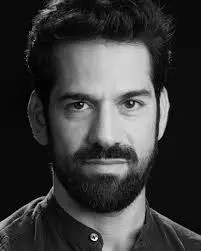
Paolo Marinou-Blanco’s Dreaming of Lions was part of the Critics’ Picks section at Tallinn Black Nights festival in 2024 as one of the second Latin American entries in the Critic’s Pick program. In this interview, Milani Perera speaks with the Greek-Portuguese writer/director about the deeply personal inspirations behind the film, and about using dark comedy to tackle the subject of euthanasia.

MP: Paolo, what inspired the story behind Dreaming of Lions?
PM: The inspiration comes from a very personal place. Years ago, my father was in the hospital, facing serious health issues, and we had conversations about euthanasia. He dealt with it through humor – making light of the situation, even joking with doctors. It was his way of coping. Now, my mother is in declining health, and we’ve had similar difficult conversations. It’s excruciating as a son, but my mother’s character and resilience inspired the protagonist, Gilda. These intimate, personal experiences drove me to explore the complexity of choosing life or death.

MP: How did you approach scripting such a sensitive subject?
PM: I’ve always been drawn to exploring dark, complex themes through dark comedy. It allows me to tackle serious social and political issues in a thought-provoking and digestible way. For Dreaming of Lions, I spent years mulling over the idea before taking two focused months to write the first draft. The hardest part was blending reality and absurdity – capturing the legal, social, and human dimensions of euthanasia while pulling the audience into uncomfortable waters with satire and tragedy. I also wanted to critique the wellness industry, which often capitalizes on human suffering in absurd ways. That balance of humor and tragedy was key to the script.

MP: Crafting the film must have presented unique challenges. How did you shape its style?
PM:
Breaking the fourth wall was intentional from the start – it gives the protagonist, Gilda, a direct connection to the audience. Her ‘partner in crime’ is Amadeo, a crucial character in the story who navigates this emotional terrain with her. Thematically, I was inspired by Hemingway’s The Old Man and the Sea. Not in literal terms, but by mirroring the protagonist’s mindset – the image of lions playing on a beach as a symbol of peace and serenity resonated deeply with me. It became a metaphor for Gilda’s unattainable longing for inner calm and the story behind the film’s title.

MP: Casting Gilda seems like a pivotal choice. How did you find the right actress for such a demanding role?
PM:
I knew I didn’t want an actress from Portugal because I needed someone who felt socially isolated – someone whose personal experience could mirror Gilda’s emotional world. By pure accident, I discovered Denise Fraga. I came across a video where she portrayed a narrative about claustrophobia and anxiety with such captivating precision – a mix of comedy and elegance. At that moment, I knew she was the one. Her age and authentic presence brought a natural connection to the script, and she perfectly embodied the character’s isolation and strength. That choice, I believe, makes Gilda’s story even more universal and relatable.

MP: Dreaming of Lions is both intimate and universal in its themes. What do you hope audiences take away from it?
PM:
At its heart, the film asks whether life is an obligation or a choice we consciously affirm. Gilda’s journey forces her to confront despair, isolation, and, ultimately, the question of what makes life worth living. There are no easy answers, but cinema’s beauty lies in creating space for reflection. I hope audiences see a bit of themselves in Gilda, walk away with their own questions, and perhaps rediscover what truly matters to them.

Originally published in the International Cinephile Society
TANTIGO

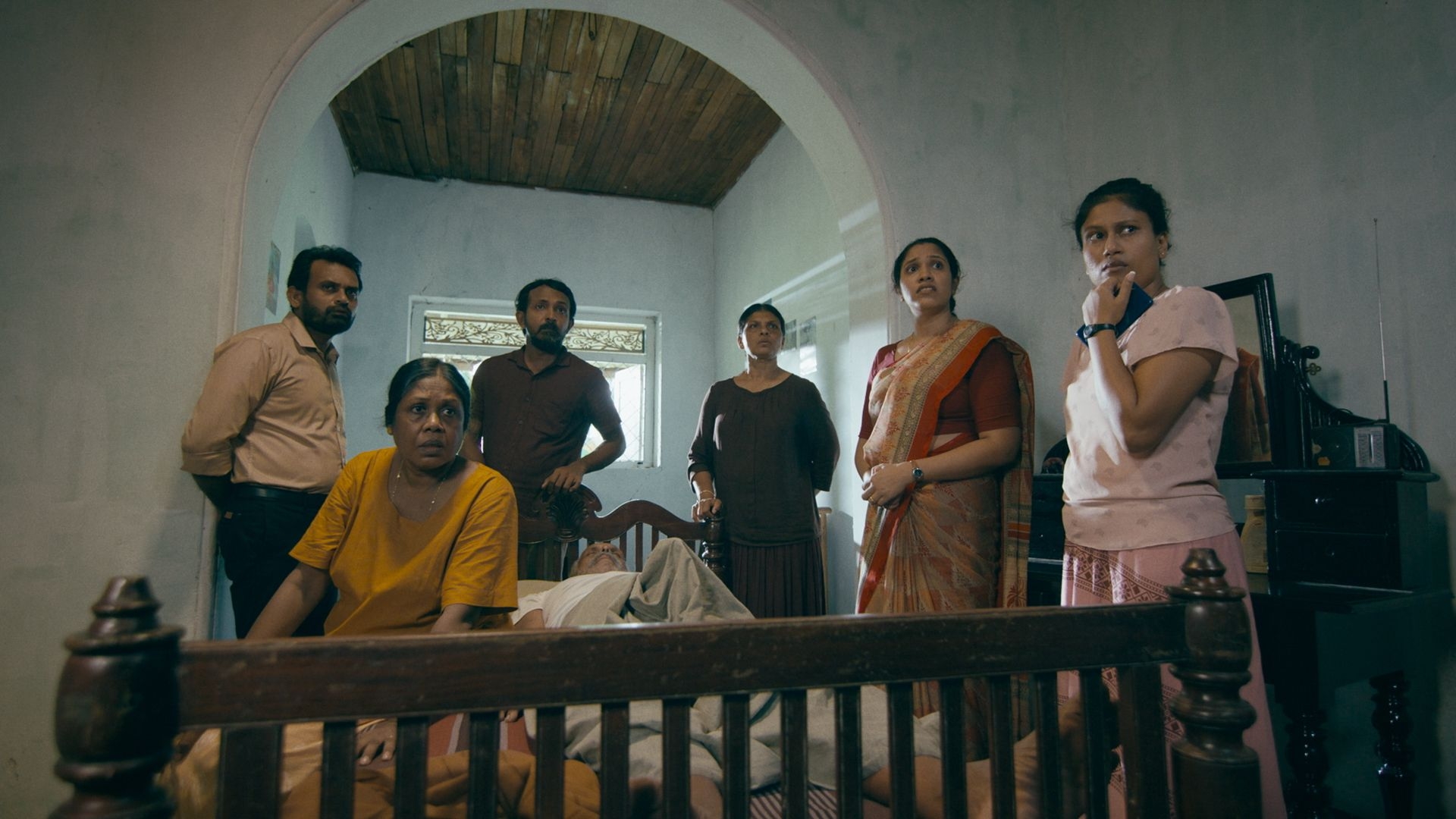
Ilango Ram’s Tantigo, a unique and daring fusion of humour and absurdity, premiered at the 27th PÖFF | Tallinn Black Nights Film Festival 2023. This remarkable debut immerses viewers in a peculiar household in provincial Sri Lanka, where a patriarch’s sudden demise leads to a hilariously dark conundrum: his body refuses to conform to the decorum expected at his funeral.

As laughter fills the air, we meet two sons grappling with their father’s unexpected ‘situation.’ Amidst their mourning, rumours and jealousy swirl, fueled by a nosy neighbour, Kamala, and a bewildered local doctor. The quest to manage their father’s lingering ‘romanticism’ becomes a farcical race against time, complete with a drunken voodoo priest and a crafty coffin maker. This exploration of familial bonds, a theme that resonates with all of us, will surely strike a chord with the audience.

What makes Tantigo a triumph is its hilarious premise and masterful narrative execution. Drawing inspiration from the absurdist style of Eugène Ionesco, the film juxtaposes mundane dialogues with outlandish situations, revealing the quiet tragedies and absurdities of life that often go unnoticed. As the audience chuckles, there’s an underlying recognition of our shared, chaotic existence.

Visually, Ram employs bold wide-angle lenses and low angles that transform the characters into almost cartoonish figures, amplifying the narrative’s absurdity. This stylistic choice, reminiscent of Yorgos Lanthimos’s The Favourite, yet with a more spacious approach, echoes the emptiness of his characters’ lives and their profound disconnect—even in familial bonds. It’s a visual treat that will surely captivate the audience.

The cast delivers standout performances that anchor the film’s humour. Kaushalya Fernando graces the mother’s bewilderment, while Priyanka Sirikumara’s big brother struggles against reality’s grip. Thusitha Laknath shines as the family’s black sheep, and Chandani Senevirathne’s Kamala offers relentless comic relief. And then there’s Ranjith Panagoda, whose stillness—marked by an awkward physicality—leaves audiences in stitches.

Tanigto represents a refreshing pivot for Sri Lankan cinema, particularly in today’s post-MeToo and post-pandemic landscape. Ilango Ram paves the way for a new wave of cinematic expression by challenging traditional storytelling methods. Just as Vimukthi Jayasundara revolutionized narrative styles with The Forsaken Land in 2005, Ram’s bold experimentation signals a vital evolution in Sri Lankan filmmaking. Tantigo is not just a film; it’s a manifesto for change, inviting future filmmakers to explore the vibrant possibilities of this new era.

#kinopear#IlangoRam#tantigo#poff#worldcinema

THE CLOUD AND THE MAN

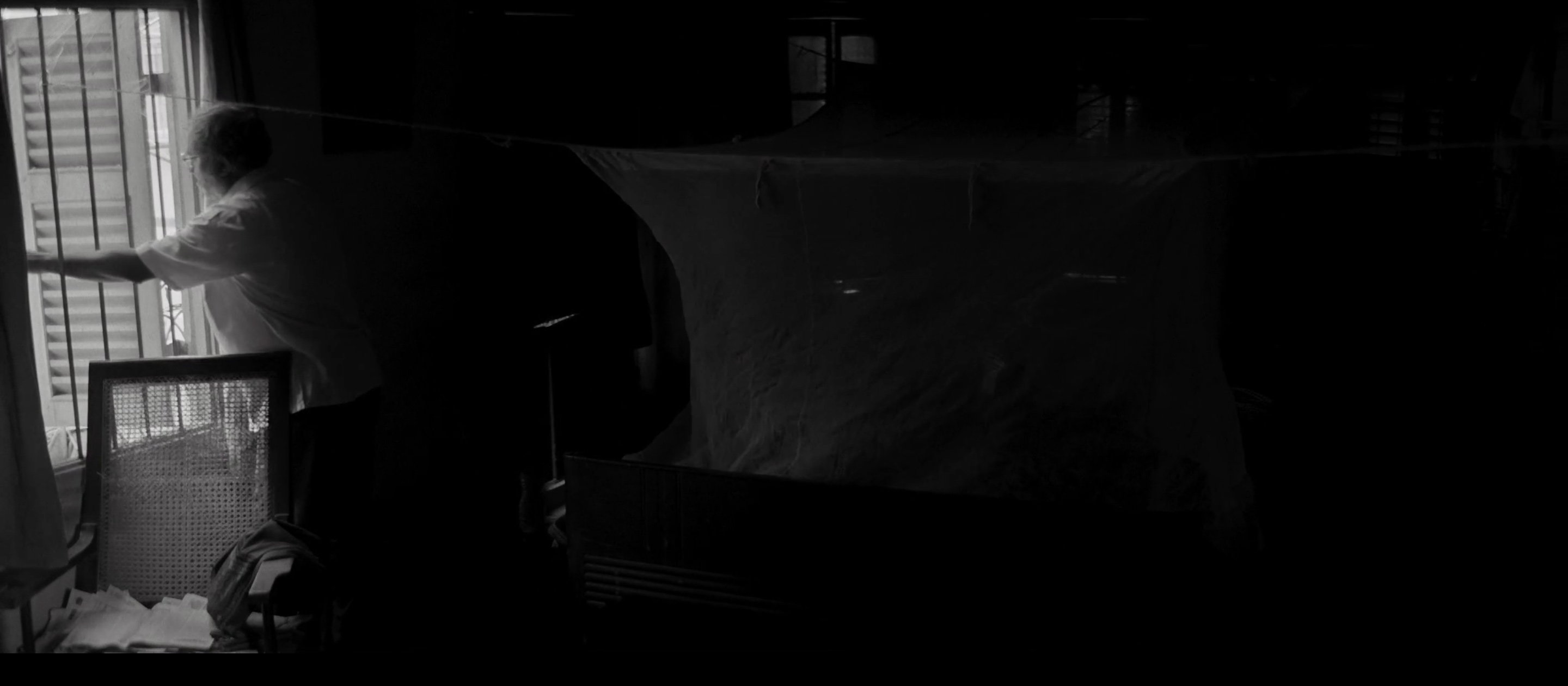
In The Cloud and the Man, Abhinandan Banerjee crafts a poignant debut that dances between the realms of the real and surreal, evoking the familiar while exploring the strange. Set against the bustling yet gritty backdrop of Kolkata, the film tells the whimsical story of Manik, a lonely middle-aged man whose life takes an unexpected turn upon discovering a cloud that seems to follow him—a metaphorical companion in his isolation.

Banerjee’s narrative unfolds through a unique lens, where the cloud emerges as a character, drifting unnoticed over the scorching land. This creative choice adds an enchanting layer to the film, allowing viewers to experience Manik’s solitude from a fresh perspective. The cloud’s presence becomes especially poignant following the death of Manik’s father, a paralyzed man grappling with dementia. In his grief, Manik’s solitary existence morphs into an intricate attachment to this celestial entity, offering a new kind of companionship in his otherwise uneventful life.

The film’s striking black-and-white aesthetic effectively captures the chaos and ugliness of urban life, serving as a visual metaphor for Manik’s internal struggles. The contrast is further heightened in the vibrant, colourful moments that bookend the film, highlighting the emotional awakening when isolation meets an unexpected connection. One of the most evocative scenes features Manik bathing in rainwater within the confines of his dilapidated bathroom, where the low-angle camera work and the sound of water create an intimate, almost tantric moment of union with the cloud. This scene resonates with the poetic essence of Tagore, reflecting the transcendence of mundane existence through a profound sensory experience.

While The Cloud and the Man treads familiar territory in its exploration of loneliness, it does so with a raw authenticity that breathes new life into these well-worn themes. The film invites comparisons to other cinematic works that have tackled isolation, yet it stands out with its unique, empathetic lens and richly detailed visual storytelling.

Though the film is not without its flaws—a tendency towards overused metaphors and moments where background music feels intrusive—the poignant character study and Banerjee’s ability to elicit empathy make it an engaging watch. The slow pace and cynical yet introspective musings like “My pastime is God” provide a reflective depth long after the credits roll.

In essence, The Cloud and the Man is more than just a film; it explores the human condition through the eyes of a solitary figure and his ethereal counterpart. Banerjee’s debut serves as a reminder of cinema’s power to illuminate the intricacies of isolation and connection, marking it as a noteworthy addition to the contemporary film landscape. If you’re seeking a thoughtful, artistic experience that merges the tangible with the intangible, this film is undoubtedly worth your time.

Director and Screenplay Abhinandan Banerjee.

Producer Bauddhayan Mukherji, Monalisa Mukherji DoP Anup Sigh Editor Abhro Banerjee Art director Bablu Singh Sound designer Abhijit Roy Music director Subhajit Mukherjee

#kinopear#cloudandtheman#poff#worldcinema