A poignant ballad of love and hope, the movie delves deep into its characters’ emotional landscapes, inviting the audience to connect and empathize.
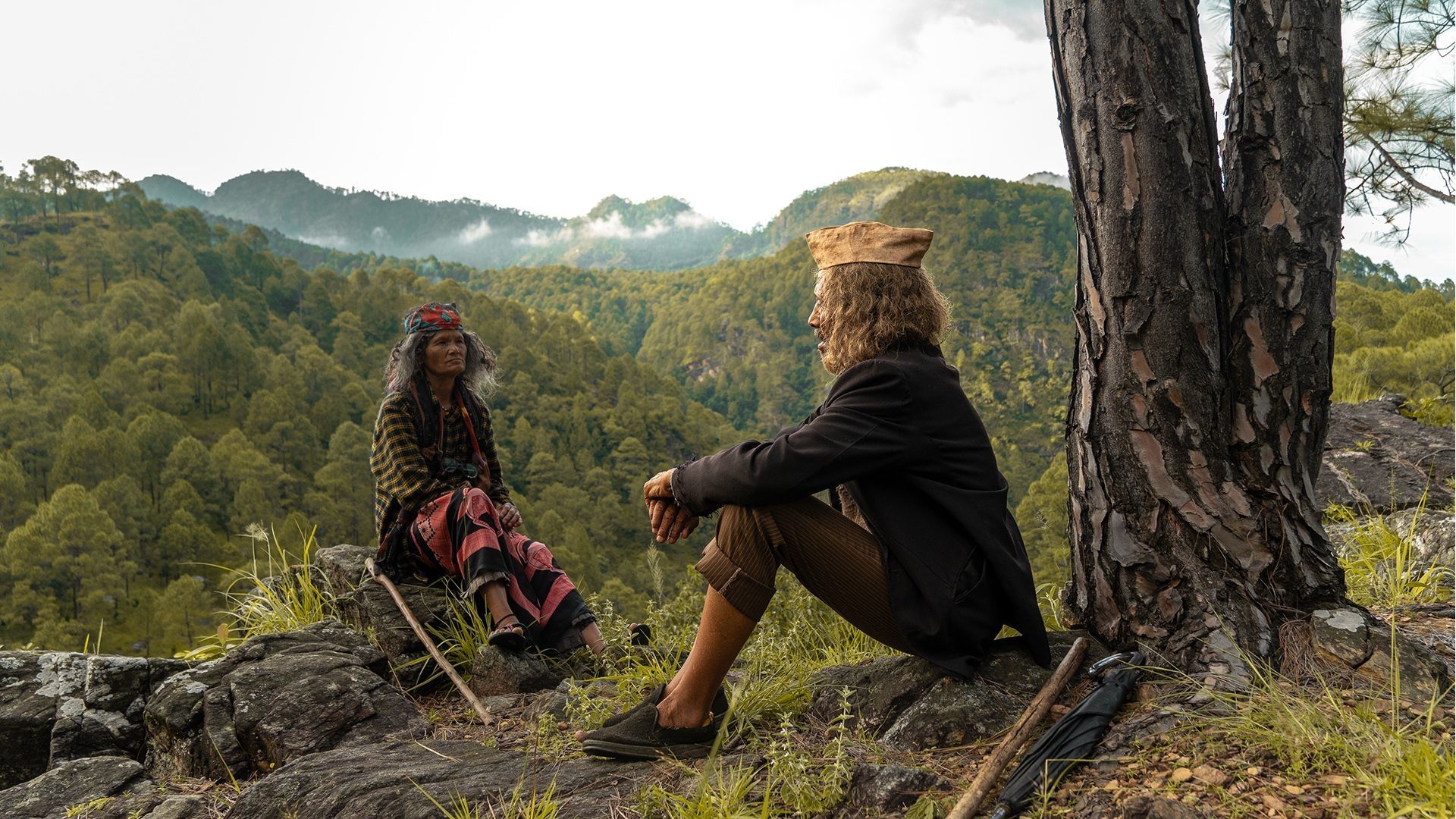
Vinod Kapri, renowned for his powerful portrayal of society’s overlooked individuals, returns with a profound meditation on love, loss, and isolation in “Pyre“. Kapri’s latest work shines with a poignant intensity that echoes his impactful films “1232 KMs” (2015) and “Pihu” (2016). Premiering at the 28th Black Night’s Film Festival, “Pyre” is a moving exploration of an elderly couple’s fragile existence in a remote Himalayan village, delving deep into the depths of their love and the weight of their loss.
Padam Singh (Padam Singh) and Tulsi (Heera Devi), an 80-year-old couple, remain in a world that the younger generation has abandoned. Their days pass in quiet routines, their loneliness masked by fleeting moments of humour. Haunted by the absence of their son, their hope is reignited by a letter promising his return. When he finally arrives, the reunion shatters their expectations, leading them into a painful new reality. The film’s devastating climax evokes a deep, emotional response, leaving the audience with a profound empathy.
Kapri’s mastery lies in his ability to cast non-professional actors, capturing raw emotion in every frame. Despite their inexperience with the camera, the performers bring a heartwarming authenticity to their roles. The film’s pacing and direction guide them through delicate emotional landscapes, creating an international resonance that transcends cultural barriers. The finely crafted script draws the viewer in, keeping them emotionally tethered to the couple’s journey. As the final scene unfolds, the audience is left teary-eyed, the sadness lingering long after the credits roll.
The film’s beauty is amplified by the artistry of Manash Bhattacharya, the director of photography. His sweeping shots of the Himalayan landscape mirror the couple’s isolation, the vast, winding trails offering space for the audience to reflect. The close-ups of the characters—though unpolished in their acting—capture the rawness of their lives and struggles. At times, the expansive mountains seem to dwarf them. At the same time, in other moments, the crumbling, dilapidated spaces echo their emotional decay. Bhattacharya’s careful use of light adds a realistic touch, grounding the story in the simplicity of the couple’s world.
The music, composed by Mychael Danna’s “Life of Pi”, “Moneyball”, and Amritha Vaz (twice nominated for the Annie Award), gently elevates the emotional weight of the film. At times, the music swells to underscore the story’s sadness. Still, the sweeping grandeur of nature around the characters ultimately steals the show. Like the couple’s love, the landscape speaks volumes in its quiet majesty. The soft undercurrent music amplifies the emotional journey, enveloping the audience in a cocoon of tenderness and heartbreak.
It is a haunting, beautiful story that resonates deeply, leaving a lasting impact that lingers long after the screen fades to black. It is a film that speaks to the heart, capturing the fragility of life and the resilience of love in a world that is slowly fading away.
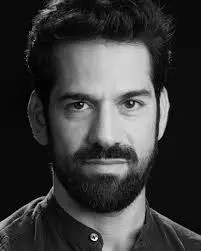
Jon Bass’s directorial debut, Carole & Grey, premiered at the 28th Tallinn Black Nights Film Festival. The film was showcased in the special section “Rebel with a Cause”, which highlights innovative, boundary-pushing films that challenge conventional cinematic norms. This section is dedicated to showcasing experimental works that take risks, both in form and message, presenting daring new visions from filmmakers across the globe. I sat down with the helmer, Jon Bass, about his introduction to filmmaking and the unique cinematic journey in his debut film.
MP: You’ve had a diverse journey in the film industry, starting as an actor. How did that experience shape your approach to directing? Your unique perspective on acting has undoubtedly given you a fascinating insight into filmmaking. Could you share more about this? JB: Acting definitely gave me a unique perspective on filmmaking. I was fortunate to work on big studio productions like Baywatch and smaller indie films. From that, I learned that large-scale productions often face challenges due to too many voices in the decision-making process, which can sometimes compromise the quality of the final product.
Conversely, smaller films have a closer-knit team focused on the story and quality. When the Hollywood writers’ strike hit, I saw how many projects were stalled indefinitely, and it really disillusioned me with the studio system. This disillusionment led me to take control of my creative process and make something on a smaller budget. That’s how I came to make Carole & Grey, a film that allowed me to be involved in every part of the process from start to end.
MP: You mentioned a small budget – $10,000 – for this film. Did that limitation push you to be more innovative in your approach? JB: Absolutely. The budget forced me to be resourceful, but I saw it as an opportunity to break free from traditional filmmaking constraints. To be free in our expression, which actually worked in our favour. I wasn’t concerned with making the most beautiful shots or adhering to cinematic norms. It was more important to me that the film was organic and spontaneous, and the limitations allowed for that. We shot the entire movie vertically on an iPhone, which some people may balk at as ‘not real cinema,’ but for me, it was about capturing the raw energy and immediacy of the story in a way that’s accessible and ‘modern.’
MP: Regarding the film’s visual approach, why choose to shoot vertically with an iPhone? It’s a bold choice, especially given the industry’s preference for traditional cinematic formats. JB: The decision to shoot vertically was intentional. I wanted to create a film that people could watch on their phones in a familiar format. I didn’t expect the film to make it into festivals, but I’m glad I stuck to my vision. The vertical format is about something other than following tradition but finding a medium that works for the story I wanted to tell. This film isn’t concerned with conventional notions of ‘cinematic quality.’ There are moments when shots are out of focus or pixelated, and that’s by design. It’s all part of expressing the chaos and energy of the film, and it adds a layer of authenticity. Plus, it makes the movie more relatable to audiences who are used to watching everything on their phones, primarily through platforms like TikTok.
MP: You’ve described Carole & Grey as a reflection of your ADHD, with rapid shifts in tone. Can you elaborate on how these shifts affect the film’s structure and narrative? JB: The film’s tone mirrors how my brain works – it’s constantly jumping from one feeling to another. One moment we’re having a serious conversation, and the next there’s humour, followed by moments of excitement or anxiety. The film feels like a whirlwind of different emotions and topics. I wrote 30 scenes, and with a runtime of just 66 minutes, I had the freedom to let the film shift between them quickly. The structure is meant to reflect the chaos and unpredictability of life, especially in a city like New York where everything is always in motion. It was a conscious decision to keep the audience on their toes, just like the characters are navigating their day.
MP: Your film shares similarities with the mumblecore movement, especially its dialogue-driven, character-centric style. Were filmmakers like Lynn Shelton an influence on your work? JB: Lynn Shelton was a significant influence on me, particularly her use of dialogue and the way she brought out natural, often messy human interactions. I had the privilege of working with her before she passed, and that experience really changed how I view filmmaking. The mumblecore genre, with its emphasis on real, unpolished conversations, was something I really admired. I wanted to capture that raw, natural feel but with a twist. So I added elements of magical realism – with ordinary and extraordinary characters like the shapeshifter, soothsayer, and witch. These characters serve to elevate the grounded, everyday moments and make the world feel more fantastical. It’s a way of blurring the line between what’s real and imagined, which is central to the story.
MP: You’ve also mentioned that the film is set against the backdrop of New York City. How does the city itself play into the themes of the movie? JB: New York is integral to the film, not just as a backdrop but as a reflection of the characters’ chaotic inner worlds. The city never stops moving, it’s a place where everything happens simultaneously. You’re on a ferry one moment, then on a bike, and before you know it, you’re running down a busy street. It’s the perfect setting for a story about shifting perspectives and emotional highs and lows. The constant movement of New York mirrors the unpredictable flow of thoughts and emotions that the characters and I experience. It’s a city where anything can happen at any time, precisely what I wanted to convey through the film’s unpredictable tone and rapid pace.
MP: The film feels heightened, especially with the magical elements. Is this a metaphor for Grey’s perception of the world, or is it something more universal? JB: The magical realism isn’t limited to just Grey’s perspective. It’s a reflection of the world through the eyes of everyone in the story – Carole, Grey, and even the people they encounter. I wanted to show that our world can feel surreal and full of possibility, especially in a city like New York where the ordinary and extraordinary coexist. The shapeshifter, the soothsayer, and the witch could appear at any moment; is it real, is it imagined, or a bit of both? It’s not just Grey’s world, it’s everyone’s world, and anyone could encounter magic in their everyday life if they’re open to it. It’s about embracing chaos and the unknown.
MP: Finally, the film’s narrative structure and visual choices are unconventional. Who do you see as the ideal audience for Carole & Grey? JB: Carole & Grey isn’t a film for everyone, and I’m okay with that. It’s designed for people who are open to a different kind of experience – those who appreciate films that move quickly, feel raw and challenge traditional storytelling. This may not be your film if you’re looking for a standard narrative with polished shots and a predictable plot. But if you enjoy stories that feel fresh, chaotic, and unpredictable, this film speaks directly to that audience. It’s for those who embrace imperfection and like to experience something new and exciting, much like life.
Paolo Marinou-Blanco’s Dreaming of Lions was part of the Critics’ Picks section at Tallinn Black Nights festival in 2024 as one of the second Latin American entries in the Critic’s Pick program. In this interview, Milani Perera speaks with the Greek-Portuguese writer/director about the deeply personal inspirations behind the film, and about using dark comedy to tackle the subject of euthanasia.
MP: Paolo, what inspired the story behind Dreaming of Lions? PM: The inspiration comes from a very personal place. Years ago, my father was in the hospital, facing serious health issues, and we had conversations about euthanasia. He dealt with it through humor – making light of the situation, even joking with doctors. It was his way of coping. Now, my mother is in declining health, and we’ve had similar difficult conversations. It’s excruciating as a son, but my mother’s character and resilience inspired the protagonist, Gilda. These intimate, personal experiences drove me to explore the complexity of choosing life or death.
MP: How did you approach scripting such a sensitive subject? PM: I’ve always been drawn to exploring dark, complex themes through dark comedy. It allows me to tackle serious social and political issues in a thought-provoking and digestible way. For Dreaming of Lions, I spent years mulling over the idea before taking two focused months to write the first draft. The hardest part was blending reality and absurdity – capturing the legal, social, and human dimensions of euthanasia while pulling the audience into uncomfortable waters with satire and tragedy. I also wanted to critique the wellness industry, which often capitalizes on human suffering in absurd ways. That balance of humor and tragedy was key to the script.
MP: Crafting the film must have presented unique challenges. How did you shape its style? PM: Breaking the fourth wall was intentional from the start – it gives the protagonist, Gilda, a direct connection to the audience. Her ‘partner in crime’ is Amadeo, a crucial character in the story who navigates this emotional terrain with her. Thematically, I was inspired by Hemingway’s The Old Man and the Sea. Not in literal terms, but by mirroring the protagonist’s mindset – the image of lions playing on a beach as a symbol of peace and serenity resonated deeply with me. It became a metaphor for Gilda’s unattainable longing for inner calm and the story behind the film’s title.
MP: Casting Gilda seems like a pivotal choice. How did you find the right actress for such a demanding role? PM: I knew I didn’t want an actress from Portugal because I needed someone who felt socially isolated – someone whose personal experience could mirror Gilda’s emotional world. By pure accident, I discovered Denise Fraga. I came across a video where she portrayed a narrative about claustrophobia and anxiety with such captivating precision – a mix of comedy and elegance. At that moment, I knew she was the one. Her age and authentic presence brought a natural connection to the script, and she perfectly embodied the character’s isolation and strength. That choice, I believe, makes Gilda’s story even more universal and relatable.
MP: Dreaming of Lions is both intimate and universal in its themes. What do you hope audiences take away from it? PM: At its heart, the film asks whether life is an obligation or a choice we consciously affirm. Gilda’s journey forces her to confront despair, isolation, and, ultimately, the question of what makes life worth living. There are no easy answers, but cinema’s beauty lies in creating space for reflection. I hope audiences see a bit of themselves in Gilda, walk away with their own questions, and perhaps rediscover what truly matters to them.
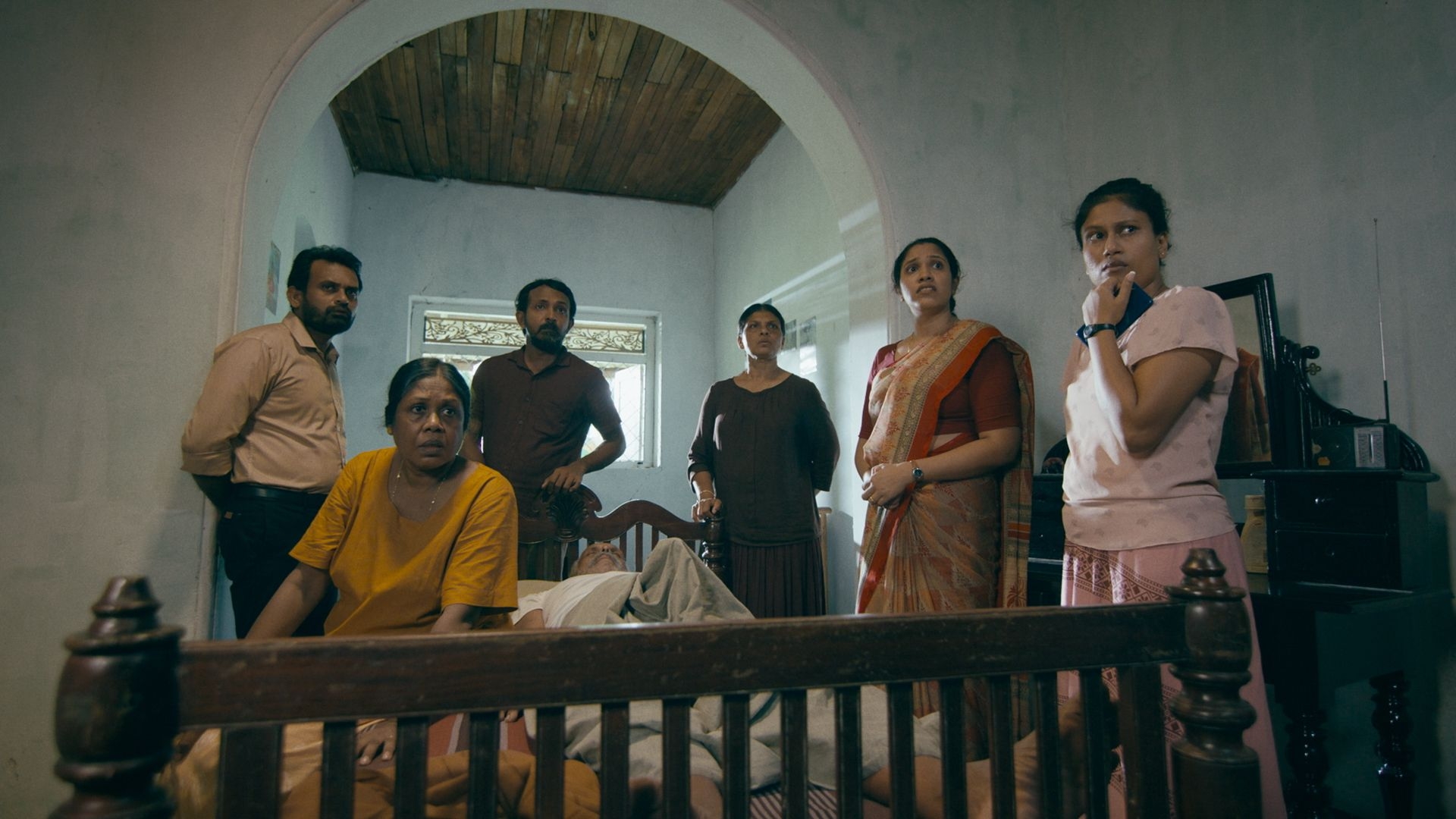
Ilango Ram’s Tantigo, a unique and daring fusion of humour and absurdity, premiered at the 27th PÖFF | Tallinn Black Nights Film Festival 2023. This remarkable debut immerses viewers in a peculiar household in provincial Sri Lanka, where a patriarch’s sudden demise leads to a hilariously dark conundrum: his body refuses to conform to the decorum expected at his funeral.
As laughter fills the air, we meet two sons grappling with their father’s unexpected ‘situation.’ Amidst their mourning, rumours and jealousy swirl, fueled by a nosy neighbour, Kamala, and a bewildered local doctor. The quest to manage their father’s lingering ‘romanticism’ becomes a farcical race against time, complete with a drunken voodoo priest and a crafty coffin maker. This exploration of familial bonds, a theme that resonates with all of us, will surely strike a chord with the audience.
What makes Tantigo a triumph is its hilarious premise and masterful narrative execution. Drawing inspiration from the absurdist style of Eugène Ionesco, the film juxtaposes mundane dialogues with outlandish situations, revealing the quiet tragedies and absurdities of life that often go unnoticed. As the audience chuckles, there’s an underlying recognition of our shared, chaotic existence.
Visually, Ram employs bold wide-angle lenses and low angles that transform the characters into almost cartoonish figures, amplifying the narrative’s absurdity. This stylistic choice, reminiscent of Yorgos Lanthimos’s The Favourite, yet with a more spacious approach, echoes the emptiness of his characters’ lives and their profound disconnect—even in familial bonds. It’s a visual treat that will surely captivate the audience.
The cast delivers standout performances that anchor the film’s humour. Kaushalya Fernando graces the mother’s bewilderment, while Priyanka Sirikumara’s big brother struggles against reality’s grip. Thusitha Laknath shines as the family’s black sheep, and Chandani Senevirathne’s Kamala offers relentless comic relief. And then there’s Ranjith Panagoda, whose stillness—marked by an awkward physicality—leaves audiences in stitches.
Tanigto represents a refreshing pivot for Sri Lankan cinema, particularly in today’s post-MeToo and post-pandemic landscape. Ilango Ram paves the way for a new wave of cinematic expression by challenging traditional storytelling methods. Just as Vimukthi Jayasundara revolutionized narrative styles with The Forsaken Land in 2005, Ram’s bold experimentation signals a vital evolution in Sri Lankan filmmaking. Tantigo is not just a film; it’s a manifesto for change, inviting future filmmakers to explore the vibrant possibilities of this new era.
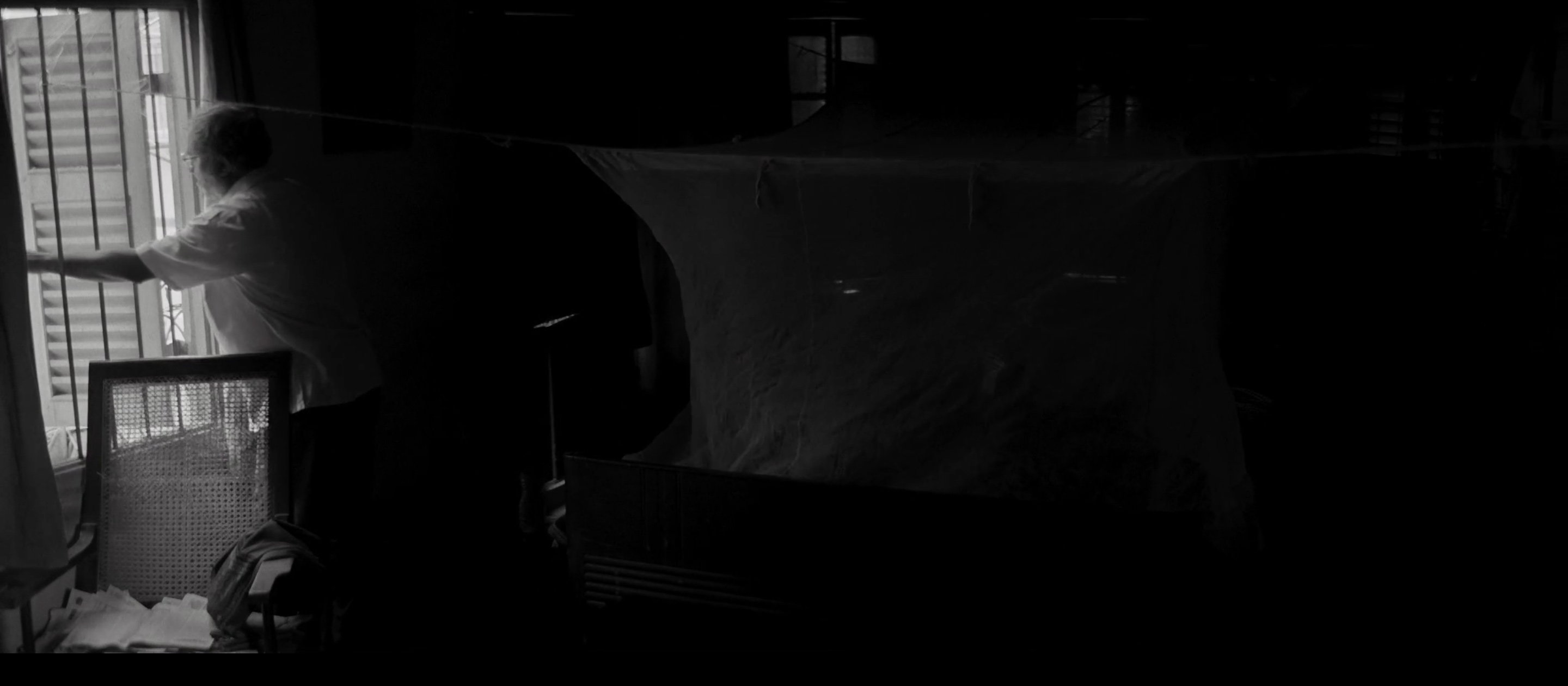
Striking black-and-white aesthetic effectively captures the chaos and ugliness of urban life, serving as a visual metaphor for Manik’s internal struggles…
In The Cloud and the Man, Abhinandan Banerjee crafts a poignant debut that dances between the realms of the real and surreal, evoking the familiar while exploring the strange. Set against the bustling yet gritty backdrop of Kolkata, the film tells the whimsical story of Manik, a lonely middle-aged man whose life takes an unexpected turn upon discovering a cloud that seems to follow him—a metaphorical companion in his isolation.
Banerjee’s narrative unfolds through a unique lens, where the cloud emerges as a character, drifting unnoticed over the scorching land. This creative choice adds an enchanting layer to the film, allowing viewers to experience Manik’s solitude from a fresh perspective. The cloud’s presence becomes especially poignant following the death of Manik’s father, a paralyzed man grappling with dementia. In his grief, Manik’s solitary existence morphs into an intricate attachment to this celestial entity, offering a new kind of companionship in his otherwise uneventful life.
The film’s striking black-and-white aesthetic effectively captures the chaos and ugliness of urban life, serving as a visual metaphor for Manik’s internal struggles. The contrast is further heightened in the vibrant, colourful moments that bookend the film, highlighting the emotional awakening when isolation meets an unexpected connection. One of the most evocative scenes features Manik bathing in rainwater within the confines of his dilapidated bathroom, where the low-angle camera work and the sound of water create an intimate, almost tantric moment of union with the cloud. This scene resonates with the poetic essence of Tagore, reflecting the transcendence of mundane existence through a profound sensory experience.
While The Cloud and the Man treads familiar territory in its exploration of loneliness, it does so with a raw authenticity that breathes new life into these well-worn themes. The film invites comparisons to other cinematic works that have tackled isolation, yet it stands out with its unique, empathetic lens and richly detailed visual storytelling.
Though the film is not without its flaws—a tendency towards overused metaphors and moments where background music feels intrusive—the poignant character study and Banerjee’s ability to elicit empathy make it an engaging watch. The slow pace and cynical yet introspective musings like “My pastime is God” provide a reflective depth long after the credits roll.
In essence, The Cloud and the Man is more than just a film; it explores the human condition through the eyes of a solitary figure and his ethereal counterpart. Banerjee’s debut serves as a reminder of cinema’s power to illuminate the intricacies of isolation and connection, marking it as a noteworthy addition to the contemporary film landscape. If you’re seeking a thoughtful, artistic experience that merges the tangible with the intangible, this film is undoubtedly worth your time.
Director and ScreenplayAbhinandan Banerjee.
ProducerBauddhayan Mukherji, Monalisa MukherjiDoP Anup Sigh Editor Abhro Banerjee Art directorBablu Singh Sound designerAbhijit Roy Music directorSubhajit Mukherjee


 KINO PEAR