
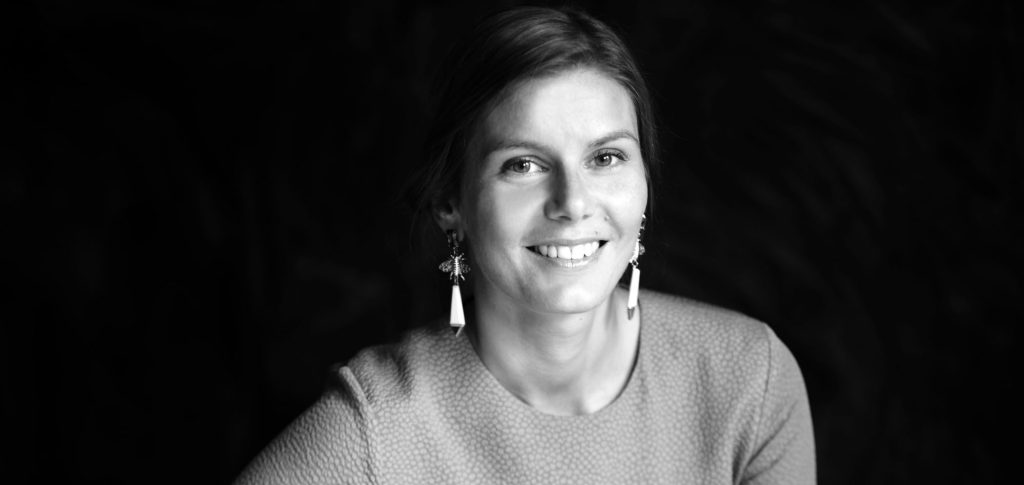
The artistic director of Riga International Film Festival reflects on the changing face of Baltic cinema, the fragile economics of independent filmmaking and why a film’s worth should never depend on being seen first.
A film can take years to make, yet its value in the international festival circuit can rest on a single screening. Once the premiere is over, the industry moves on. The film remains the same, but its place in the festival hierarchy begins to fade.
For Sonora Broka, artistic director of Riga International Film Festival (Riga IFF), this is one of the industry’s most troubling contradictions.
“I think it’s so unfair that the film is valuable when it’s so-called virgin,” she says. The race for premieres has become part of festival culture, often leaving little room to consider what happens to a film afterwards.
Now in its thirteenth edition, Riga IFF has built its identity around a different idea: bringing films to audiences who might otherwise never see them. For Broka, a festival is not simply a place to discover something new. It is a place where audiences learn to trust unfamiliar voices, where filmmakers find new viewers and where stories are given a chance to live beyond their first screening.
The Art of Earning Trust
Broka’s journey into cinema began at International Film Forum Arsenals, one of Latvia’s pioneering independent film festivals. She joined its programming team in 2005, shortly before graduating from the Latvian Academy of Culture.
Yet one of her most vivid memories from those early years is of a film she could not finish.
As a student, she attended a screening of a Guy Maddin film. Its intense colours, strange symbolism and absurd imagery overwhelmed her.
“I just realised that I don’t understand what’s going on on the screen,” she recalls. “It is too much.”
She walked out. But the film stayed with her. Years later, she would programme Maddin’s work and welcome the director to Riga.
It is a revealing memory from someone who has spent much of her career introducing audiences to unfamiliar cinema. Sometimes a film asks more of us than we are ready to give. Understanding may come later.
When Riga IFF was founded, Broka and her colleagues wanted to create a boutique festival, one guided by the quality of films rather than the competition for premieres.
“We are not chasing premieres,” she explains.
The festival brings together emerging filmmakers and internationally acclaimed works that might otherwise never reach Latvian cinemas. In a small theatrical market, even films recognised by major international awards can struggle to secure a release.
But introducing audiences to unfamiliar cinema takes time.
Broka remembers the four or five years it took for Riga IFF to become part of the city’s cultural life. Today, she hears people say they no longer read synopses or watch trailers before choosing a festival film.
They simply trust the programme.
“I think that is the highest level of trust we can expect from our viewers,” she says.
For a curator, that trust is precious. It gives audiences the confidence to take a chance on something they have never heard of, and it gives a festival the freedom to keep surprising them.
Cinema in a Time of Uncertainty
This year’s Riga IFF programme carries a recurring interest in belonging, family and human connection.
Broka is quick to explain that these themes were not decided in advance. They emerged from the films themselves.
“I’m not adjusting the film programme to a theme I have imagined. It works the other way around.”
The feature competition includes several debut and second-time directors. Only after completing the selection did the team notice that seven films were directed by women and two by men.
The pattern was unplanned, as was the programme’s wider concern with how people live together.
Broka sees these stories as a response to the uncertainty of the times. When the world feels unstable, filmmakers often turn towards family, community and the places they call home.
“When the big questions around us are really dramatic, you somehow turn to your core and to your closest people.”
Yet cinema can also bring us face to face with things we would rather ignore.
She points to Nipsters, a film that begins at a teenage summer camp before moving towards racist violence. Its young protagonist remains difficult to understand, leaving viewers to confront uncomfortable questions without easy answers.
Broka believes such films can open conversations between generations. A parent and child may watch the same story, see different things and finally find a way to talk about them.
For her, cinema matters not only for what it shows, but for the conversations it leaves behind.
The Changing Face of Baltic Cinema
Across the Baltics, filmmakers are finding fresh inspiration in the region’s landscapes, folklore and complicated histories.
Broka sees a growing interest in genre cinema, particularly horror, psychological mystery and stories shaped by local mythology.
Latvian audiences have not traditionally embraced horror as enthusiastically as audiences in some other European countries. But filmmakers are beginning to give these genres a character of their own.
She points to The Bog, which draws on the mystery of Northern Europe’s wetlands. These quiet landscapes carry stories of buried secrets, old beliefs and things hidden beneath the surface. They offer rich ground for filmmakers willing to explore the darker corners of the region’s imagination.
The Latvian Ābele brothers are working in similar territory. Their animated horror film Dog of God opened Riga IFF’s previous edition, bringing together history, mythology and the grotesque.
Broka also sees different creative tendencies across the three Baltic countries.
Lithuania has developed a strong reputation for contemporary realist drama. Latvia continues to draw on its documentary tradition while exploring mythology and genre. Estonia, meanwhile, has a distinctive relationship with folklore, dark humour and absurdity.
Rainer Sarnet’s November, a former Riga IFF main-prize winner, remains a striking example of this sensibility.
What interests Broka most is how these filmmakers are using familiar cultural material to tell stories in new ways. They are not simply following international trends. They are finding their own voices, shaped by the places and histories they know.
A Film’s Life After the Festival
For many independent films, festivals are not merely a path towards distribution. They are the only distribution system available.
“Festivals are serving as an alternative distribution system for films that will never make it to a cinema repertoire,” Broka observes.
A film may travel through festivals for a year or two, finding recognition but never reaching a wider theatrical audience. When that journey ends, it can quietly disappear.
Riga IFF has tried to address this by working as a distributor alongside its festival activities. Selected films can continue screening in Latvian cinemas throughout the year, reaching audiences beyond the festival’s October programme.
But keeping independent films on screen is expensive.
Distribution rights can cost far more than a film is likely to earn in the small Baltic market. Competition between regional distributors adds further pressure, making public support essential.
Broka credits Creative Europe with helping Riga IFF maintain a more diverse cinema offering. Yet she acknowledges that even these funding structures have their limits. Smaller films can still fall through the gaps.
The difficulties begin long before distribution.
In Latvia, some production companies finance their own creative projects through income earned from servicing international productions. Making original films can become an expensive passion sustained by more commercially reliable work.
Broka has seen the consequences firsthand. Having served on an expert committee at the National Film Centre, she has read promising projects that struggled to secure funding.
She knows that behind each rejected proposal is a film that may never be made.
The loss is not always visible. It lies in the stories audiences will never hear and the filmmakers who may never get their chance.
Hope in the Next Generation
Despite these pressures, Broka remains optimistic.
Her confidence comes from watching student films and seeing the curiosity of young directors who continue to experiment, even when the industry offers little certainty.
“I’m actually quite optimistic,” she says. “I’m full of optimism when watching film student works.”
Their films are not always perfect, but she admires their energy, imagination and willingness to take risks. Even in demanding fields such as animation, young filmmakers remain determined to create.
“I have a feeling that they have something to say to us.”
She is equally open-minded about artificial intelligence. Rather than seeing new technology as an inevitable threat, Broka believes filmmakers must learn to understand it, explore its possibilities and decide what to embrace or reject.
Cinema has survived technological changes before. She sees little reason to believe its creative spirit will disappear now.
For Broka, the future rests with people who still feel the need to tell stories, whatever the obstacles.
Beyond the First Screening
For Broka, the festival industry’s obsession with premieres is difficult to justify. She understands the excitement of being first, but questions why a film should lose its value after a single screening.
“The film is not changing. That’s the same film you’re seeing in the world premiere and you’re seeing after half a year.”
It is a simple argument, but one that cuts to the heart of festival culture. A film can take years to make, yet its opportunities may narrow the moment it reaches its first audience.
Broka hopes the industry will move beyond this race for premieres and give films more room to travel, find audiences and be discovered.
After all, a film is not made simply to be seen first. It is made to be seen.



Leave a Reply