
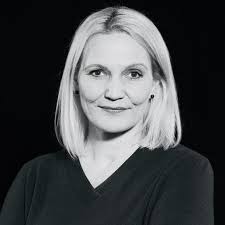
Industry@Tallinn & Baltic Event combines global reach with a close-knit atmosphere, giving filmmakers a unique place to meet, work together, and grow their careers.
by Milani Perera
In the film world, bigger usually means more delegates, more projects, and more attention. But Marge Liiske, who leads Industry@Tallinn & Baltic Event, has a different view of success.
“I would like us to remain where we are in size,” she says.
This goal stands out for a platform that brings in professionals from over fifty countries. Liiske isn’t against growing internationally, but she wants to keep what makes Tallinn special: easy access to people and the chance for real partnerships to form through conversation.
As the Tallinn Black Nights Film Festival (PÖFF) marks its 30th year, its industry platform shows how global business and personal connections can work together.
Baltic Roots, International Reach
Baltic Event started as a small event to introduce Estonian, Latvian, and Lithuanian films to international decision-makers. The first event had about twenty guests, and a co-production market was added in 2005.
Now, the platform covers project development, works in progress, professional training, and talent programs, all while staying true to its regional roots.
“We put the Baltics in the center,” Liiske explains.
Tallinn links filmmakers from smaller European countries with international producers, financiers, sales agents, and festival reps. Because it’s closely tied to PÖFF, creative and business activities happen together, so guests and professionals can meet outside of scheduled meetings.
The festival introduces films to audiences, while its industry platform creates opportunities for the people behind them.
The Boutique Advantage
Unlike the crowded schedules of larger markets, Tallinn offers a more relaxed setting where conversations can continue beyond pitching sessions and arranged meetings.
Liiske thinks the event’s size is a plus. It’s big enough to draw key decision-makers, but still small enough for people to meet often and build trust.
For filmmakers looking for co-production partners, these personal meetings are important. Funding matters, but Liiske says real success comes from shared values, similar ways of working, and a common creative vision.
Tallinn’s informal atmosphere is also supported by structured matchmaking.
The Baltic Event Co-Production Market organises more than 300 pre-arranged one-to-one meetings annually. In its 2024 industry survey, respondents reported an average of 8.26 meetings and 11.42 new contacts, while 73% said they had discovered new professional opportunities.
These results show that Tallinn’s easy access isn’t just a nice feature. It actually helps connect people throughout the industry.
From Meetings to Meaningful Outcomes
The value of an industry market becomes clearer when its projects and participants move forward.
Tereza Nvotová’s father presented at Baltic Event’s co-production market in 2021, later participated in Black Nights Goes to Cannes, and premiered in Venice’s Orizzonti competition in 2025.
Emerging professionals have also found international opportunities through Tallinn’s talent initiatives. Estonian actress Henessi Schmidt, who participated in Black Nights Stars in 2020, subsequently secured international representation and appeared in Vikings: Valhalla.
These stories show that early professional exposure can help build longer careers, even if results take years to show up.
For Liiske, success isn’t just about how many projects are shown or deals made. Her team keeps in touch with filmmakers through development, production, and future work, knowing that real connections don’t always pay off right away.
Opening Doors for New Talent
Besides its co-production market, Tallinn has built a supportive space for new filmmakers and other creative professionals.
Discovery Campus connects up-and-coming actors, screenwriters, cinematographers, composers, production designers, and industry pros through mentoring, workshops, and networking with people worldwide.
The 2026 program features seven initiatives, including Breaking into the Industry and Tallinn Industry Academy, which help tackle the real-life challenges of making, distributing, and promoting films.
Liiske points out that even film-school grads might not fully understand international sales, festival strategies, or distribution.
By linking new talent with experienced pros, Tallinn helps close the gap between film school and the real world of the international industry.
Focusing on the region also gives filmmakers from smaller markets a chance to get noticed and build networks outside their own countries.
Beyond Projects: Building an Industry
Even though Baltic cinema is getting more international attention, it still faces small home markets, limited funding, and not enough production infrastructure.
Liiske sees co-production as key to accessing more resources, but she warns that international partners don’t always mean festival success or easy distribution.
Artistic vision remains decisive.
With public funding less certain, she thinks producers need to look beyond just funding single films.
“Very important is how to develop a company, not a project,” she explains.
For a small film industry to do well, producers need stable businesses, ongoing professional relationships, and chances to help new talent grow.
Industry platforms help by linking filmmakers not just with possible funders, but also with the knowledge and networks they need for lasting careers.
The Future: Staying Connected
Liiske is careful about making predictions in an industry that’s changing fast, both in technology and finances. Still, she has a clear vision for Tallinn.
“I still think that we need to be a place of conversation.”
She wants Industry@Tallinn & Baltic Event to remain a place where Baltic projects begin their international journeys and filmmakers find partners who share their ambitions.
She thinks growing too much could make Tallinn less accessible. More people might mean a bigger reach, but it could also lead to busier schedules, more spread-out venues, and fewer chance meetings.
So, the goal isn’t to stay small just for the sake of it, but to keep the environment where collaboration can really happen.
Industry@Tallinn & Baltic Event has become an international meeting spot, but it hasn’t lost its Baltic roots or personal touch.
Its strength is making the international film industry feel open and turning meetings into chances that last long after the festival ends.


Leave a Reply