
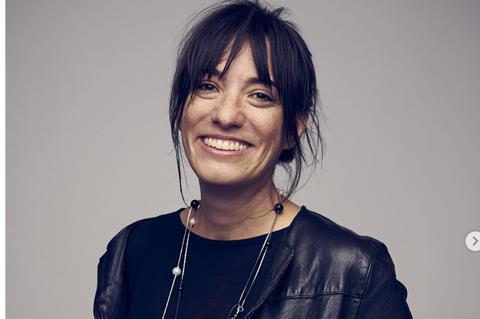
What makes a first feature worth discovering? PÖFF’s First Feature Competition curator Malaika Bova discusses artistic instinct, collective judgment and the responsibility of bringing new voices into cinema.
By Milani Perera | Kinopear
A first feature is both a beginning and a risk. It may reveal an extraordinary filmmaker or an artistic voice still taking shape. Without an established body of work to judge, how does a programmer recognise genuine promise?
For Malaika Bova, curator of the First Feature Competition at Tallinn Black Nights Film Festival (PÖFF), there is no fixed formula.
This year, twelve films emerged from over 400 submissions. Behind the selection is a five-member team, hours of viewing, and sometimes heated debate. The challenge isn’t just finding exceptional films, but bringing together distinct voices that connect with audiences.
Finding the Right Films
“We need to figure out the best puzzle and make sure it will have an audience,” Bova explains.
Two considerations guide the selection: artistic merit and the ability to communicate beyond a film’s immediate cultural context.
Geographical diversity also matters. Films from regions rarely represented at Western festivals introduce audiences to unfamiliar realities. Yet what interests Bova most is not just the subject but the filmmaker’s perspective.
She points to When She Hears the Bells, set during the Taliban’s return to Afghanistan. The events are widely known, but the director approaches them through a different lens.
For Bova, discovery begins when a familiar story reveals something unexpected.
The Beauty of an Imperfect Debut
First features often emerge before filmmakers face commercial pressures that shape later productions. This gives debut directors freedom to experiment and express a more personal vision.
“You have a raw connection with what the filmmakers want to say,” Bova observes.
Originality, she believes, does not necessarily mean finding a new story. It can come from the filmmaker’s personal experience and how familiar material is transformed through cinematic language.
Nor does a debut need to be flawless.
“None of the first features are perfect. They have flaws, and we love them.”
A film may struggle with structure or technique yet reveal an unmistakable artistic voice. Bova sees these works as raw gems valuable for their potential as well as their accomplishments.
The task is to recognise the filmmaker behind the imperfections.
From Development Labs to the First Feature
A filmmaker’s journey before their debut can also influence the maturity of the finished work.
Some directors develop their ideas through short films, script labs, funding initiatives and co-production markets. Others work independently, often within smaller creative teams.
Bova sees value in both approaches, but recognises that structured development can strengthen a project.
These programmes expose filmmakers to new perspectives, encourage them to question their choices and help refine their storytelling. They also introduce writers and directors to producers and creative collaborators who may become essential to the finished film.
Filmmakers who have built these relationships often arrive with more developed projects and stronger production teams.
“A film is teamwork. It’s a team effort,” Bova explains.
She points to Exotic, created by a close group of collaborators whose relationships developed over several years. Their shared experience helped shape the film’s creative identity.
Yet she is careful not to suggest that a prestigious lab or development programme guarantees a better film. Exceptional debuts can also emerge outside established industry structures.
What matters is how filmmakers use the resources, feedback and relationships available to them without losing the individuality of their work.
For emerging directors, the development journey is therefore more than a route to financing. It can be an important part of discovering their own cinematic language.
Beyond Personal Taste
Selection also means questioning your own judgment.
“We’re all biased,” Bova acknowledges.
She is particularly interested in films by women and stories exploring women’s experiences. Yet personal preferences cannot define a whole programme.
The five-member selection team brings different perspectives to the conversation. Films are challenged, defended, and sometimes reconsidered.
Bova recalls discussions like 12 Angry Men, where one convincing argument can change how others see a film.
Some selections were films she would not have chosen herself, but colleagues helped her recognise their value.
For her, good programming depends on the ability to listen as much as the confidence to judge.
The Value of Creative Partnerships
A debut may emerge from years of short filmmaking, script labs and professional development—or from a small group of collaborators working independently.
Bova sees no single route to a successful first feature. She believes filmmakers benefit from seeking advice and building strong creative relationships.
“A film is teamwork. It’s a team effort,” she explains.
She points to this year’s selection, Exotic by Sonja Orlewicz-Zakrzewska, created by a close group of collaborators whose relationships developed over several years. Their shared experience shaped the film’s creative identity.
Formal development programmes can help refine a filmmaker’s ideas, but lasting artistic partnerships can be equally valuable.
The essential quality is not independence from others but the ability to bring different creative strengths together without losing one’s vision.
A Curator’s Responsibility Beyond Selection
For Bova, selecting a first feature carries obligations beyond its premiere.
While world premieres remain important to PÖFF’s international position, she believes exceptional films deserve opportunities to circulate even if premiered elsewhere.
Festivals serve both filmmakers and audiences. Artistic merit should remain part of the conversation alongside premiere status.
Once a film enters the programme, Bova continues to advocate for it among other programmers, critics, and industry professionals.
“We can’t forget about films once they’ve premiered with us.”
Sometimes a personal recommendation can open another door. Media attention, professional introductions, and continued visibility may help a debut travel further.
This becomes particularly important when filmmakers attempt their second feature, often under greater financial and professional pressure.
A festival cannot guarantee their next film. But it can help ensure that the first one is remembered.
For Bova, curating is therefore more than selecting accomplished work. It is about recognising promise, allowing space for imperfection and helping a filmmaker’s voice reach beyond its first audience.
A remarkable debut need not show everything a filmmaker can do. It should make us curious about what comes next.




Leave a Reply